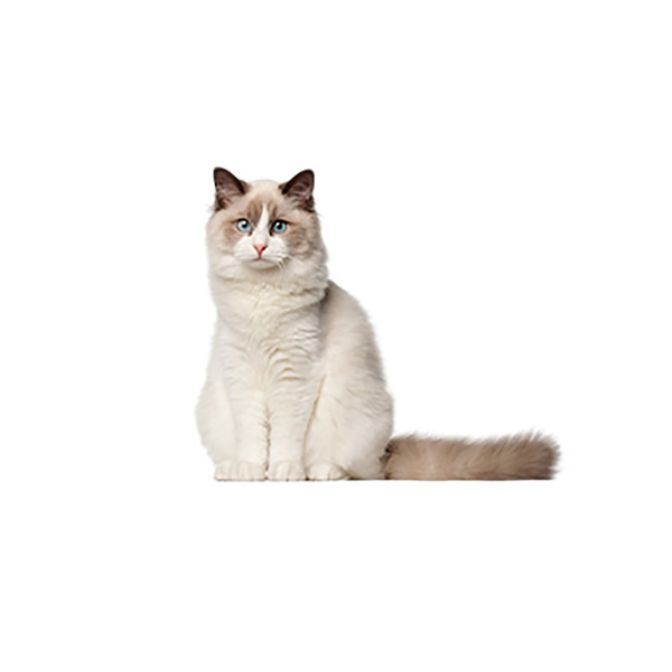
Ragdoll
Medium
Semi Long
Low
4.5 to 9kg.
Seal, blue, chocolate, lilac, red and cream, plus various patterns and shadings, including bi-color, van, colorpoint and mitted
Ragdolls are known for their docile and laid-back temperament. They are incredibly affectionate, often following their owners around the house and seeking attention. Ragdolls are typically friendly with children and other pets, making them excellent family companions. Their calm demeanor allows them to thrive in various environments, whether in a bustling household or a quieter setting.
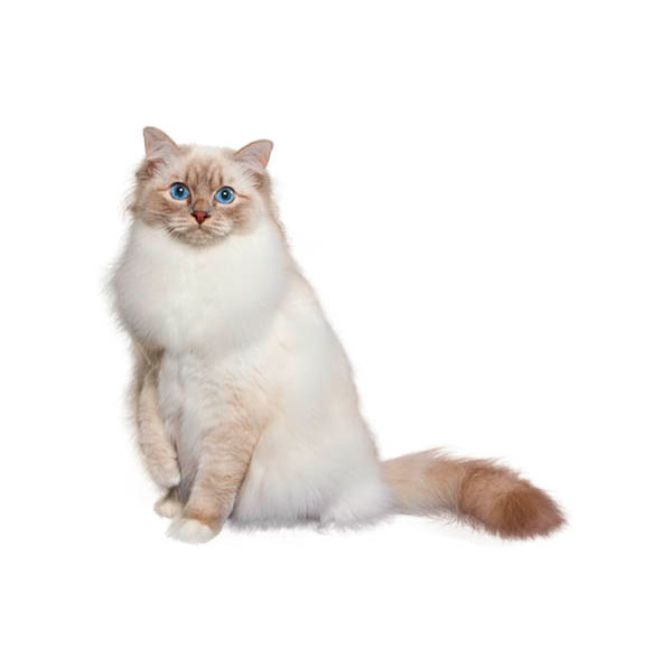
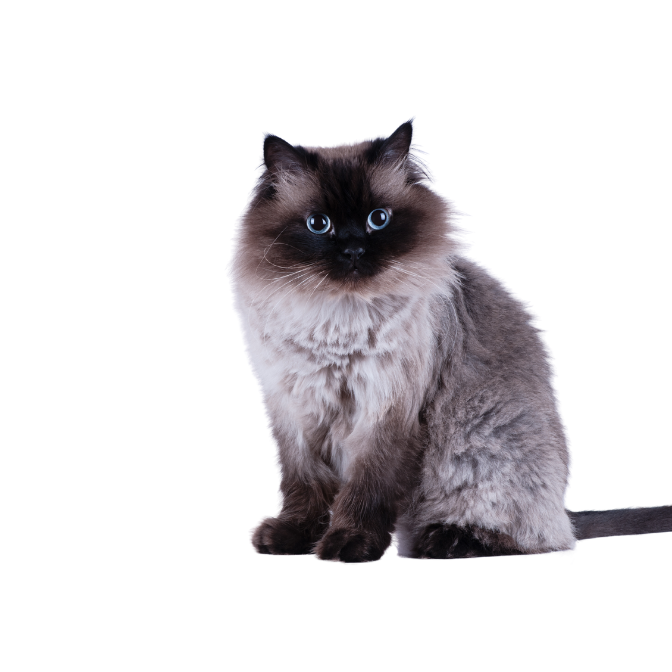
The Ragdoll cat is characterized by its large size and muscular build. They have a broad head with a flat top, large, expressive blue eyes, and a semi-long, silky coat that requires regular grooming. Ragdolls have a unique trait of going limp when picked up, which is how they got their name. This breed has a gentle and sweet expression that adds to their charm.
The average lifespan of a Ragdoll cat ranges from 12 to 15 years, although many can live longer with proper care. Regular veterinary check-ups, a balanced diet, and a loving environment are crucial for their overall health and longevity.
Ragdolls come in various colors and patterns, including colorpoint, mitted, and bicolor. Common colors include seal, blue, chocolate, lilac, and cream. Their beautiful coats and diverse color patterns make each Ragdoll unique and visually appealing.
Ragdolls are moderate shedders due to their semi-long fur. Regular grooming is essential to keep their coat healthy and free from mats. Brushing them a few times a week helps manage shedding and maintains the coat's condition.
Overall, Ragdolls are generally healthy cats, but they can be prone to certain genetic conditions, such as hypertrophic cardiomyopathy (HCM). Regular health screenings and vaccinations are important to monitor their health. Responsible breeding practices help minimize potential health issues, ensuring the well-being of the breed.
A high-quality diet is crucial for the well-being of a Ragdoll cat. Owners should provide a balanced diet rich in proteins and nutrients to support their active lifestyle. Consulting with a veterinarian for dietary recommendations is advisable to ensure that their nutritional needs are met.
The Ragdoll breed was developed in the 1960s by Ann Baker, who aimed to create a gentle and friendly cat with striking looks. The breed quickly gained popularity and has since become a beloved companion in homes across Australia, known for its affectionate nature and striking appearance.
Ragdolls are known for their playful and gentle nature. They enjoy interactive play and can be trained to perform tricks. Their friendly demeanor makes them great companions for families, and they adapt well to various living environments, from apartments to larger homes.