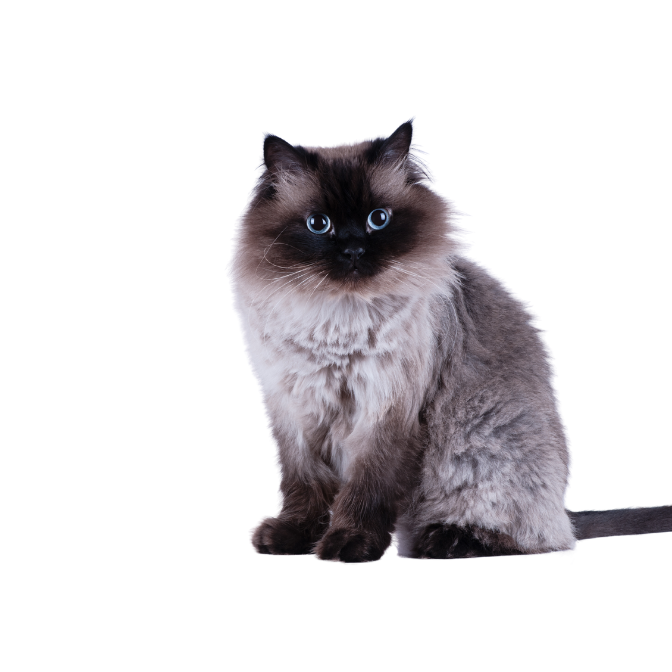
Himalayan Cat
Medium To Large
Long
Low
Males: 4 to 6.3 kg and females: 3.2 to 5 kg
White to fawn body with color points that include chocolate, seal, lilac, blue, red, cream tortie, blue-cream, chocolate-tortie, lilac-cream, seal lynx, blue lynx, red lynx, cream lynx, tortie lynx, blue-cream lynx, chocolate lynx, lilac lynx, chocolate-t
Himalayan Cats are renowned for their calm and loving personalities. They are typically very affectionate, enjoying the company of their human companions and forming strong bonds with them. These cats are playful but not overly energetic, making them suitable for various living situations. They thrive on attention and love to be pampered, often seeking out their owner's lap for a cozy cuddle.
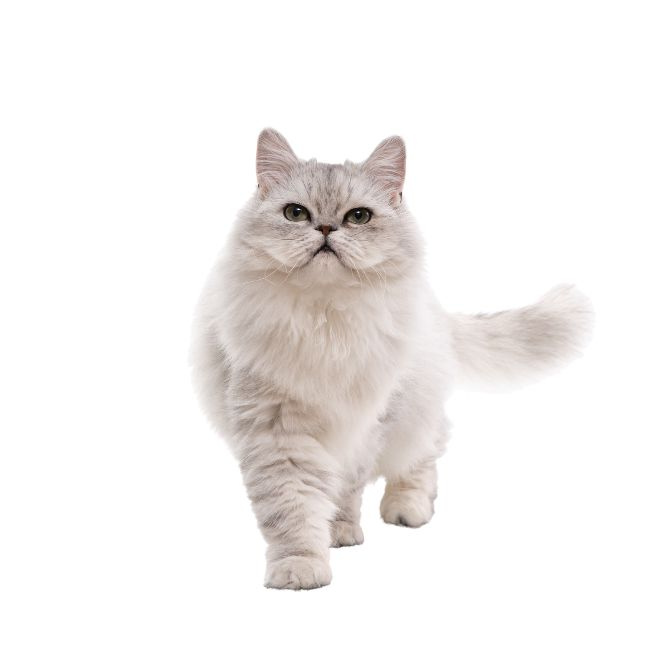
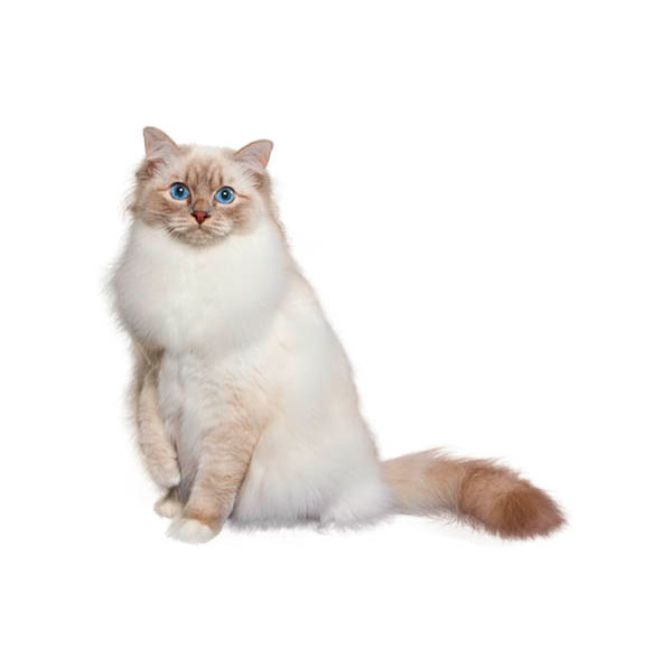
The Himalayan Cat is easily recognizable by its long, luxurious coat and striking blue eyes. Their body is medium to large, with a sturdy build and a round face. The breed has a flat nose, a characteristic inherited from their Persian lineage. Their coat comes in various colors and patterns, with darker points on their ears, face, paws, and tail, contrasting beautifully against their lighter body color.
The average lifespan of a Himalayan Cat ranges from 12 to 15 years, although many can live longer with proper care. Regular veterinary check-ups, a balanced diet, and a loving environment contribute significantly to their overall health and longevity.
Himalayan Cats come in a variety of colors, including seal, blue, chocolate, lilac, and flame point. Their beautiful coats can exhibit a range of patterns, with the color of their points contrasting beautifully against their lighter body color, making them visually stunning.
Due to their long fur, Himalayan Cats do shed moderately. Regular grooming is essential to prevent matting and to keep their coat healthy and shiny. Owners should brush their Himalayan kitties at least a few times a week to manage shedding effectively.
Himalayan Cats are generally healthy but can be prone to certain genetic conditions, such as polycystic kidney disease (PKD) and respiratory issues due to their brachycephalic (flat-faced) structure. Responsible breeders conduct health screenings to minimize these risks, and regular veterinary care is essential.
A high-quality diet is crucial for the Himalayan Cat's health. Owners should provide a balanced diet rich in proteins and nutrients to support their overall well-being. Consulting with a veterinarian for dietary recommendations is advisable to ensure that their nutritional needs are met.
The Himalayan breed was developed in the United States during the 1950s and 1960s, aiming to create a long-haired version of the Siamese cat. Since their introduction, Himalayans have become beloved pets in Australia and worldwide, known for their beauty and affectionate nature.
Himalayan Cats are known for their affectionate nature and adaptability. They thrive in various living environments, from apartments to larger homes. Their playful yet calm demeanor makes them suitable for families and individuals alike. Additionally, they are often described as "lap cats," enjoying the warmth and company of their owners.