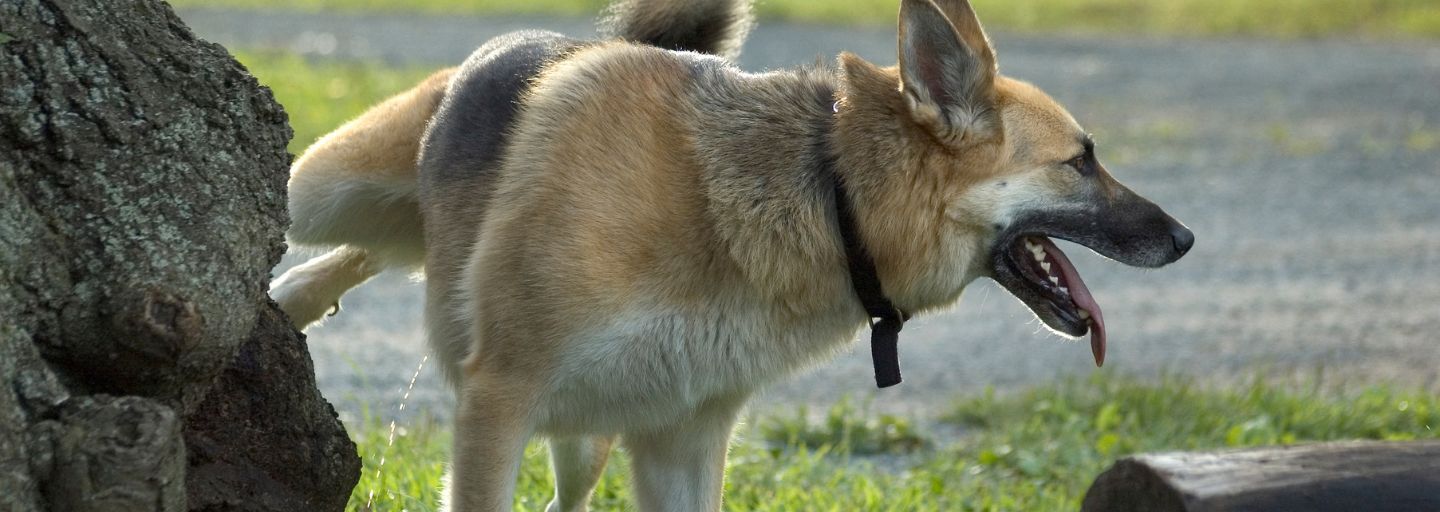
At nine months of age, puppies are well into adolescence. This stage is often marked by bursts of independence, curiosity, and sometimes stubbornness. It’s a critical time for owners to provide guidance, structure, and plenty of opportunities for exploration. Two key aspects of life with a 9‑month‑old puppy are the importance of outdoor experiences and understanding why dogs mark their territory.
The Importance of Getting Outside
Outdoor experiences are vital for a puppy’s physical, mental, and emotional development. At nine months, puppies have abundant energy and need regular outlets to stay balanced.
Physical Exercise: Daily walks, runs, or play sessions in the yard help maintain fitness and prevent obesity. A tired puppy is less likely to engage in destructive behaviors indoors.
Mental Stimulation: The sights, sounds, and smells of the outside world provide endless enrichment. Sniffing grass, meeting new people, and encountering other animals all challenge a puppy’s brain and build confidence.
Socialization: Exposure to different environments, such as parks, busy streets, or dog‑friendly cafés, helps puppies learn to adapt. Positive experiences outside reduce the risk of fearfulness or anxiety later in life.
Bonding: Shared adventures strengthen the bond between you and your puppy. Whether it’s a hike, a trip to the beach, or simply exploring the neighborhood, these moments create trust and companionship.
Getting outside isn’t just about exercise — it’s about shaping a well‑rounded dog who feels comfortable in the world.
Why Dogs Mark Their Territory
As puppies mature, natural instincts begin to surface, and one of these is territory marking. By nine months, many dogs start lifting their leg or squatting deliberately to leave scent marks.
Communication Tool: Marking is a way for dogs to communicate with others. The scent left behind conveys information about age, sex, health, and even emotional state.
Claiming Space: Dogs mark to establish boundaries and signal ownership of an area. This behavior is deeply rooted in their ancestry, where territory was vital for survival.
Male vs. Female Marking: It’s a myth that only male dogs mark territory. While un-desexed males are the most frequent markers, female dogs also engage in urine‑marking. Female dogs may mark during heat cycles, while desexed females sometimes mark due to anxiety or to assert dominance.
Training Considerations: While marking outdoors is natural, it can become problematic indoors. Consistent training, supervision, and redirecting behavior are key to managing it. Providing plenty of outdoor opportunities helps satisfy the instinct in appropriate settings.
Understanding marking as a natural behavior - rather than simply a nuisance — allows owners to respond with patience and effective training strategies.
A 9‑month‑old puppy is a lively, curious adolescent, eager to explore the world and assert their growing independence. Outdoor experiences are essential for their physical health, mental stimulation, and social development, while territory marking reflects natural canine instincts in both males and females. By embracing both aspects with patience and consistency, owners can guide their puppies through this pivotal stage, laying the foundation for a confident, well‑adjusted adult dog
Thanks for joining the Purina Pet Club and if you need any help or advice, please get in touch with our PetCare Team here.