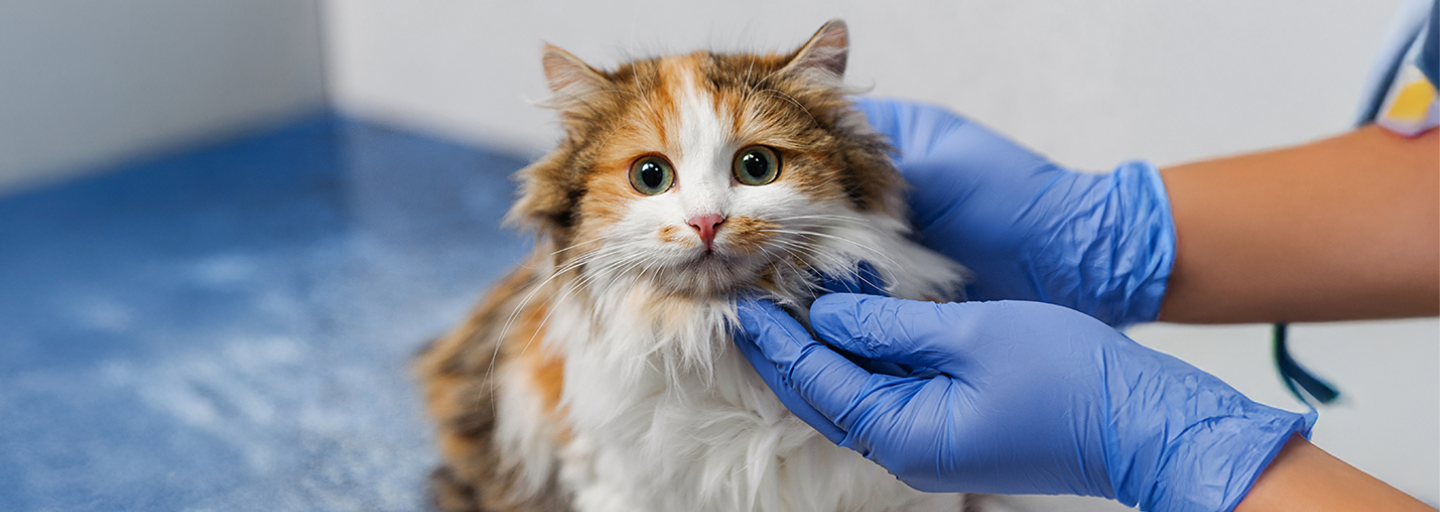
Kittens are adorable bundles of energy and curiosity, but they are also susceptible to various health issues, many of which can be difficult to detect. Kittens have a natural instinct to hide their discomfort, making it essential for pet owners to closely monitor their furry companions for early signs of illness. Recognizing these signs can significantly impact your kitten's health and well-being, ensuring they grow into a healthy, happy adult cat.
General Lethargy
- Kittens are typically playful and curious. If your kitten suddenly becomes sluggish or uninterested in toys, food, or interaction, it could indicate an underlying health issue. Lethargy lasting more than a day should prompt a visit to the veterinarian.
Persistent Vomiting or Gagging
- While occasional vomiting (such as hairballs) can be normal, frequent vomiting or gagging may signal digestive issues or infections. If vomiting persists, seek veterinary care.
Refusal to Eat for Over 24 Hours
- Kittens usually have strong appetites. If your kitten skips meals for more than a day, it can lead to serious complications. Prompt veterinary attention is essential.
Diarrhea
- Loose stools lasting longer than 48 hours can lead to dehydration and nutrient loss. Bring a stool sample to your vet to help diagnose the underlying cause.
Difficulty Urinating
- Signs such as straining, crying during urination, or blood in the urine are alarming and may indicate urinary tract infections or blockages, which can be life-threatening if untreated.
Unexplained Weight Loss
- If your kitten is losing weight despite normal eating habits or appears thinner over time, it could signal digestive issues or metabolic disorders. A vet can help identify the cause.
Excessive Thirst or Urination
- Increased drinking or frequent urination may be signs of diabetes or kidney issues. Monitor your kitten's water intake and litter box habits closely.
Itchy or Flaking Skin
- Healthy kitten skin should be smooth and free from irritation. Excessive scratching or bald patches may indicate allergies or skin infections.
Red or Swollen Gums
- Gums should be pink and firm. Redness or swelling can be early signs of gum disease or dental issues, so early treatment is crucial.
Runny Eyes or Nose
- Sneezing, watery eyes, or nasal discharge may indicate respiratory infections, which are common in young kittens. These symptoms should be evaluated by a vet, especially if they worsen.
Three Essential Tips for 4-Month-Old Kitten
- Schedule Regular Vet Check-Ups: Ensure your kitten receives vaccinations, parasite control, and growth monitoring through regular veterinary visits.
- Keep a Health Journal: Document your kitten's appetite, weight, litter box habits, and behavioral changes to help identify any health issues early.
- Create a Safe Environment: Provide a low-stress environment to support your kitten’s immune system and emotional well-being. Use age-appropriate food and grooming products to promote healthy development.