Kittens have sensitive stomachs, and even small changes in their environment or diet can lead to diarrhoea. While it’s normal for their waste to be softer than that of adult cats, shapeless or liquid stools indicate diarrhoea, which is common but treatable.
Common Causes of Diarrhoea in Kittens
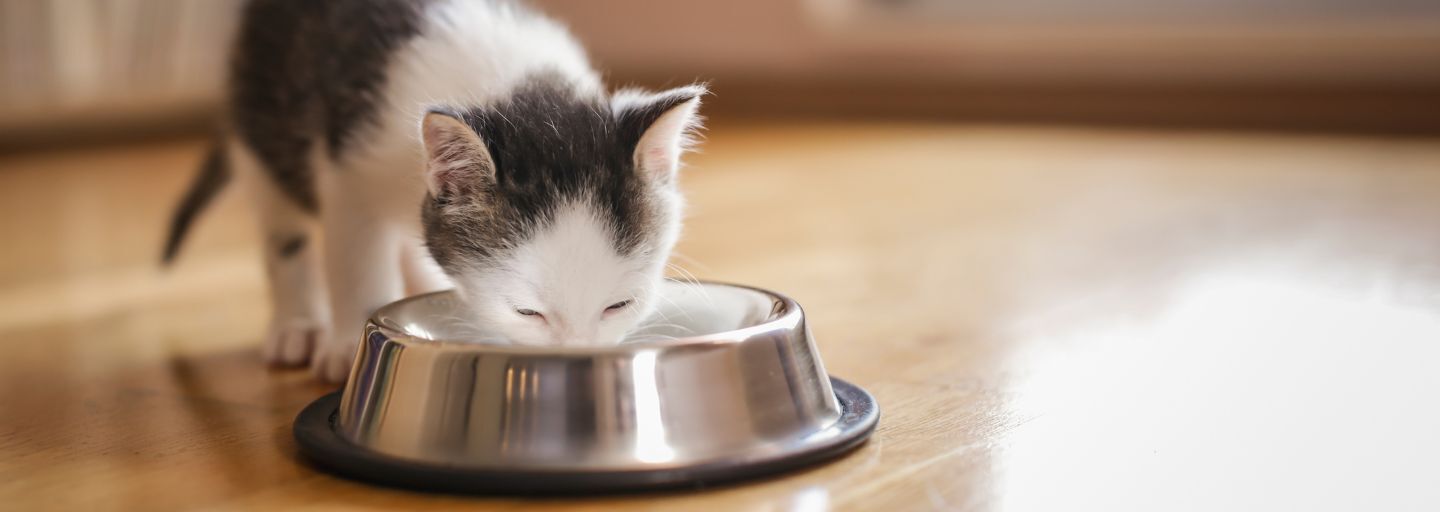
1. Cow’s Milk: Many believe cow's milk is good for kittens, but it can actually cause diarrhoea. Kittens cannot digest it properly. Instead, use a specially formulated kitten milk replacer to aid their transition to solid food.
2. Feeding Problems: Allergies, intolerances, overfeeding, or eating inedible items (like fabric or bones) can lead to gastrointestinal issues. If you suspect an allergy or ingestion of harmful items, consult your veterinarian promptly.
3. Diet Changes: Sudden changes in diet can upset a kitten's stomach. If you adopt a kitten, try to maintain their previous diet and transition gradually over several days. If unsure, seek advice from your vet.
4. Intestinal Parasites: Kittens are prone to parasites like roundworms and tapeworms, which can cause diarrhoea and hinder growth. Deworming should begin at two weeks old, with follow-up treatments every two weeks until they are 12 weeks old.
5. Infections and Viruses: Bacterial infections (like salmonella) and viruses (such as FIV or feline leukaemia) can also lead to diarrhoea. Regular vaccinations can help prevent these diseases.
6. Environmental Stress: Changes in a kitten's environment, such as moving homes or introducing new pets, can cause stress and result in diarrhoea. Allow your kitten time to adjust and provide quiet spaces for them to retreat.
When to See a Vet
If your kitten’s diarrhoea persists for more than a couple of days or is accompanied by any of the following symptoms, contact your veterinarian:
• Vomiting
• Lethargy
• Loss of appetite
• Unusual stool colours (red, black, or green)
• Behavioural changes
• Fever
• Dehydration
• Abdominal pain
• Foul-smelling stools
Diagnosing Diarrhoea
Your vet may require a stool sample to check for parasites or infections. If they suspect a blockage, an X-ray may be necessary. Taking a photo of your kitten’s diarrhoea can also help your vet assess the situation.
Treatment Options
Treatment for diarrhoea depends on the underlying cause. If it’s due to allergies, a diet change may be recommended. For parasites, deworming treatments will be administered. Bacterial infections may require antibiotics, and probiotics can aid digestion afterward. Severe dehydration might necessitate a short hospital stay for fluid restoration.
Preventing Diarrhoea
Most causes of diarrhoea are preventable. Here are some tips:
• Feed a consistent, kitten-specific diet that meets their nutritional needs.
• Introduce any new food gradually over several days.
• Keep up with regular deworming and flea treatments.
• Ensure your kitten receives all vaccinations and boosters to prevent infections.
By following these guidelines, you can help keep your kitten healthy and minimize the risk of diarrhoea