Welcoming an 8-week-old puppy into your home is an amazing and exciting experience filled with joy and responsibility. To ensure your new companion grows into a healthy and well-adjusted adult dog, it is essential to focus on four key areas this week: nutrition, training, socialisation, and grooming.
Nutrition
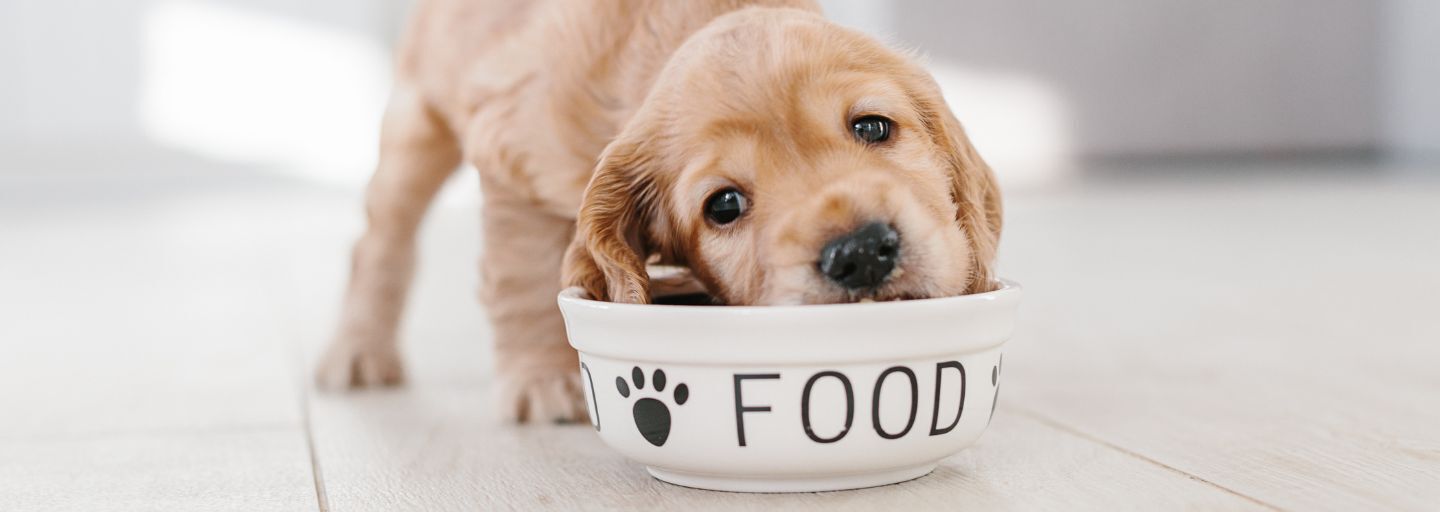
At this young age, proper nutrition is vital for your puppy's growth and development. Choosing high-quality puppy food, ensures that your puppy receives the essential nutrients needed for their rapid growth. Look for products specifically formulated for puppies, containing real meat as the primary ingredient and enriched with vitamins and minerals. Feeding your puppy multiple small meals throughout the day will help maintain their energy levels and support healthy digestion. Purina has a range of puppy food, you can view here.
Training & Microchipping
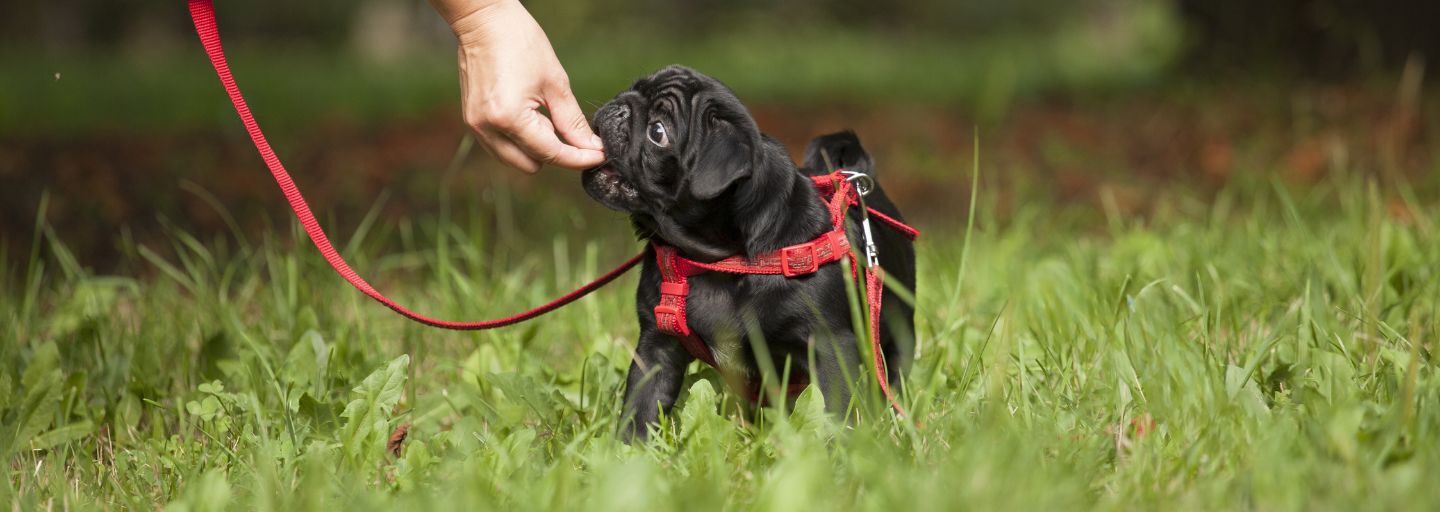
Early training is crucial for establishing good behaviour in your puppy. Begin with basic commands such as sit, stay, and come. Use positive reinforcement techniques, such as treats (formulated for puppies) and praise, to encourage desired behaviours. Short and consistent training sessions are more effective than lengthy ones, as puppies have limited attention spans. Remember to be patient; your puppy is learning how to navigate their new environment. Early training not only teaches obedience but also strengthens the bond between you and your puppy..
At around 8 weeks, it’s also the ideal time to have your puppy microchipped. Microchipping provides a permanent form of identification that ensures your puppy can be safely returned to you if they ever get lost. In many places, including New South Wales, microchipping is a legal requirement before sale or adoption, making it just as essential as early training for your puppy’s wellbeing and security.
Socialisation
Socialising your puppy is essential for their emotional development and helps them become well-adjusted adults. Introduce your puppy to various environments, people, and other animals to expose them to new experiences. Local puppy classes are an excellent way to facilitate socialisation in a controlled setting. Ensure that all interactions are positive and supervised to build your puppy’s confidence and reduce fearfulness. A well-socialised puppy is more likely to grow into a friendly and adaptable adult dog.
Grooming
Grooming plays a significant role in your puppy's overall health and comfort. Start by getting your puppy accustomed to being handled, including brushing their coat, checking their ears, and trimming their nails. Regular grooming not only keeps your puppy clean but also allows you to check for any skin issues or parasites. Depending on the breed, your puppy may require specific grooming tools or techniques, so consult your veterinarian or a professional groomer for guidance.
Three Essential Tips for an 8-Week-Old Puppy
1. Prioritize Proper Nutrition
- Choose high-quality puppy food formulated specifically for young dogs.
- Ensure the food lists real meat as the first ingredient and is enriched with vitamins and minerals.
- Feed your puppy several small meals throughout the day to maintain energy and support healthy digestion.
2. Begin Gentle Training Early
- Start with basic commands like sit, stay, and come.
- Use positive reinforcement (treats, praise, affection) to encourage good behavior.
- Keep training sessions short and consistent to match your puppy’s limited attention span.
- Remember: patience is key—training builds both obedience and a stronger bond.
3. Focus on Socialisation
- Introduce your puppy to different environments, people, and other animals in a safe, positive way.
- Consider puppy classes for structured socialisation.
- Supervise interactions to ensure they are confidence-building and not overwhelming.
- A well-socialised puppy grows into a friendly, adaptable adult dog.
Caring for your 8-week-old puppy involves a commitment by focusing on these areas, you will help your puppy thrive and develop into a loving and well-behaved companion. Thanks for joining the Purina Pet Club and if you need any help or advice, please get in touch with our PetCare Team here. For more in-depth content, see articles below.