At eight months of age, puppies are in the thick of adolescence. They’re brimming with energy, curiosity, and a growing sense of independence. This stage can be both delightful and demanding for owners, as puppies test boundaries and explore the world with enthusiasm. One of the most important aspects of raising a healthy, well‑adjusted dog at this age is providing proper stimulation — both mental and physical.
The Adolescent Phase
By eight months, most puppies have left behind the baby stage and are developing into young adults. Hormonal changes, increased confidence, and a desire to explore can lead to behaviors such as ignoring commands, chewing, or excessive barking. Without adequate outlets, this energy can manifest in destructive or unwanted ways. Stimulation helps channel their natural drive into positive experiences, reducing frustration for both puppy and owner.
Physical Stimulation: Exercise is essential for growing dogs. At eight months, puppies have more stamina and need regular opportunities to burn off energy.
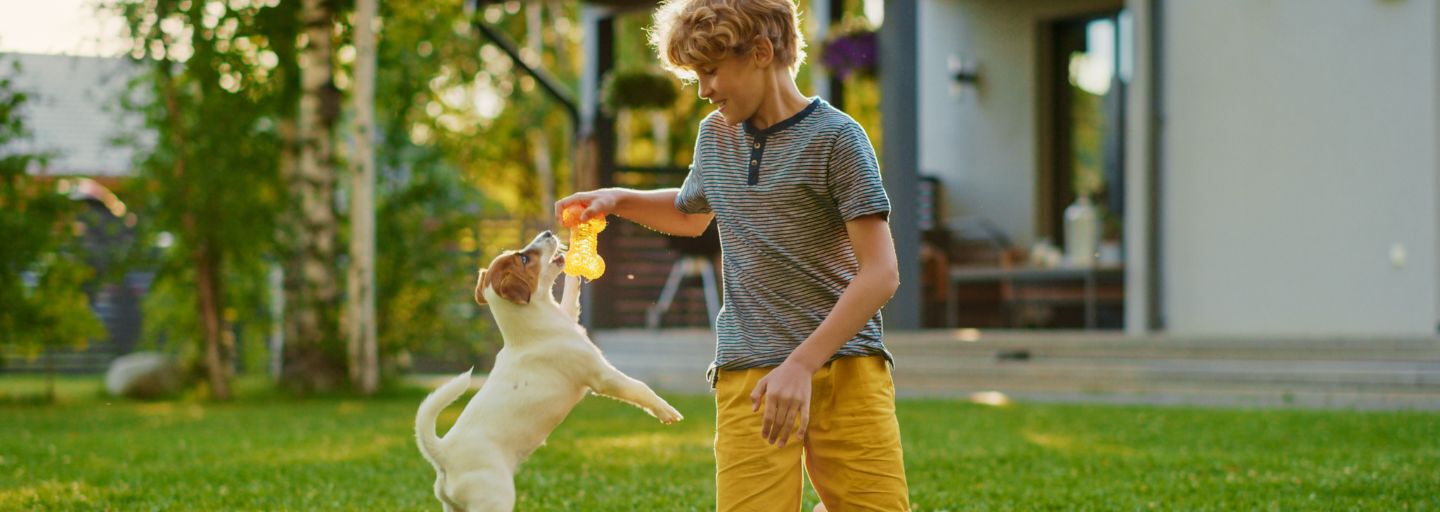
Daily Walks and Play: Structured walks and games like fetch or tug‑of‑war provide cardiovascular exercise and strengthen muscles.
Safe Exploration: Allowing your puppy to sniff, explore, and interact with new environments satisfies their curiosity and builds confidence.
Preventing Obesity: Active puppies are less likely to gain excess weight, supporting long‑term health. Physical stimulation not only keeps them fit but also reduces hyperactivity indoors.
Mental Stimulation
Equally important is keeping your puppy’s mind engaged. At this age, they’re capable of learning more complex commands and problem‑solving tasks.
Training Sessions: Short, positive lessons reinforce obedience and strengthen the bond between you and your puppy.
Puzzle Toys and Food Games; Interactive feeders challenge their brains and keep them occupied, reducing boredom.
New Experiences: Introducing your puppy to different people, animals, and environments enhances social skills and prevents fearfulness.
Mental stimulation ensures your puppy grows into a confident, adaptable adult.
Why Stimulation Matters
The benefits of proper stimulation extend far beyond keeping your puppy busy.
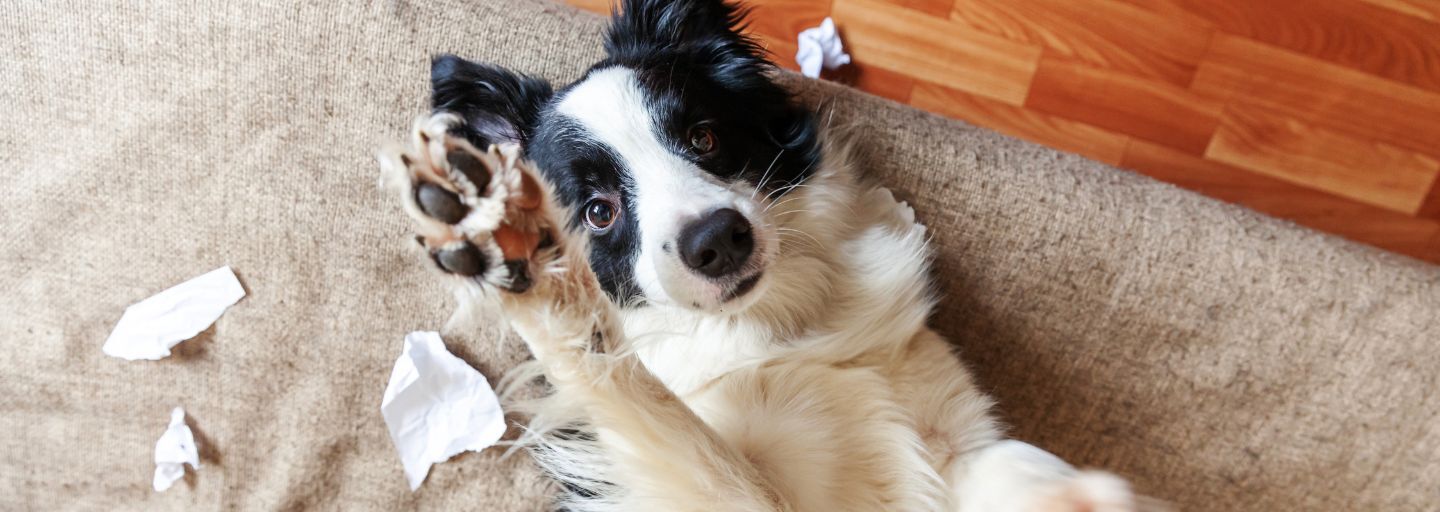
Behavioural Balance: Puppies with adequate outlets for energy are less likely to develop destructive habits like chewing furniture or digging.
Bonding: Shared activities build trust and deepen the relationship between you and your dog.
Developmental Health: Stimulation supports cognitive growth, emotional stability, and physical well‑being.
In short, stimulation is the foundation for raising a happy, well‑rounded companion.
Practical Tips
- Rotate toys to keep playtime fresh and exciting.
- Incorporate training into daily routines, such as practicing “sit” before meals.
- Schedule consistent exercise to match your puppy’s energy level.
- Balance activity with rest - puppies still need plenty of sleep to grow.
Thanks for joining the Purina Pet Club and if you need any help or advice, please get in touch with our PetCare Team here.