At 14 weeks, your puppy is becoming more adventurous, energetic, and independent. This stage is often described as the pre-adolescent phase. They are testing boundaries, learning how to interact with the world, and beginning to show their personality more clearly. Training now is about consistency, patience, and structure.
Training Focus
By this age, your puppy should already know some basics, but now it’s time to refine and expand:
- Impulse control: Begin teaching “wait” at doors, before meals, or when greeting people. This helps prevent jumping and builds patience.
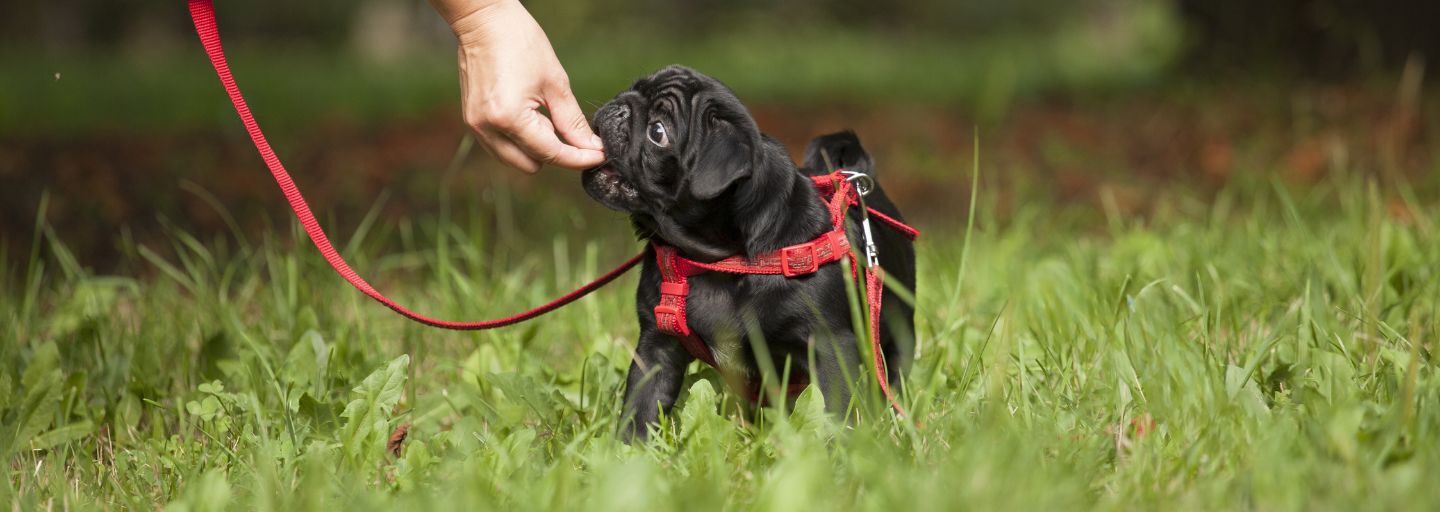
- Leash manners: Puppies often start pulling more as they gain confidence outdoors. Practice short, calm walks with rewards for walking beside you.
- Recall practice: Strengthen the “come” command in safe, enclosed spaces. Puppies at this age are curious and easily distracted, so recall training is vital.
- Socialisation with purpose: Expose your puppy to new environments—parks, car rides, and different surfaces (grass, sand, tiles). Positive experiences now reduce fearfulness later.
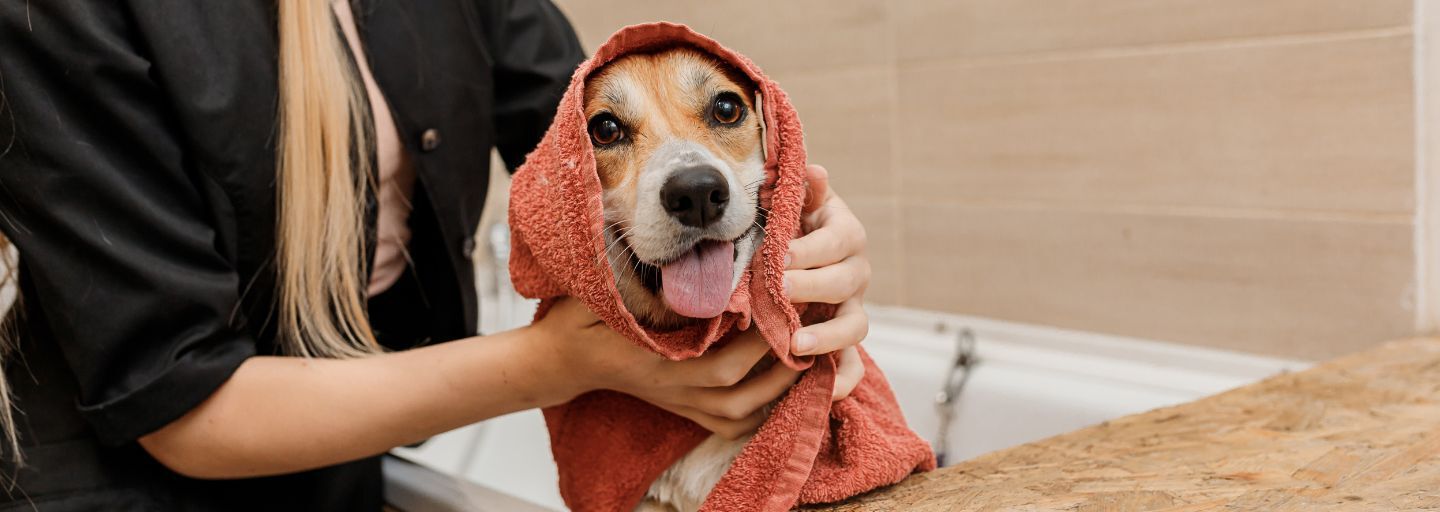
- Handling exercises: Continue gently touching paws, ears, and mouth to prepare for grooming and vet visits.
What Your Puppy Should Be Able to Do
At 14 weeks, most puppies can:
- Respond reliably to sit, no, come and down in quiet settings.
- Begin to understand stay for short periods.
- Walk on a leash for 5–10 minutes without excessive pulling.
- Sleep longer stretches at night (6–8 hours).
- Signal more clearly when they need to toilet, though accidents may still happen.
- Play appropriately with toys and begin to respect gentle boundaries during play.
Mental and Emotional Development
At 14 weeks, puppies often enter a stage where they may suddenly become cautious of new things. It’s important to handle this with patience:
- Do not force interactions.
- Pair new experiences with treats and praise.
- Keep training sessions short and positive to avoid overwhelm.
Managing the Instinct to Chase
Dogs are predators by nature, and even at a young age, the instinct to chase moving objects is strong. At 14 weeks, you may notice your puppy chasing cars, birds, cats, or even leaves blowing in the wind. While normal, this behaviour needs careful management:
- Cars: Extremely dangerous - puppies don’t understand traffic and can run onto the road. Always keep on a lead.
- Birds and cats: Can lead to injuries, scratches, or negative encounters with other animals.
- Reinforcing bad habits: If chasing isn’t managed early, it can become a lifelong behaviour that’s hard to break.
At 14 weeks, your puppy is learning faster, testing boundaries, and developing confidence. Training should focus on impulse control, leash manners, recall, and purposeful socialisation, while also managing natural instincts like chasing. With consistent training, patience, and positive reinforcement, you’ll guide your puppy through this crucial stage toward becoming a well-adjusted adult dog. Thanks for joining the Purina Pet Club and if you need any help or advice, please get in touch with our PetCare Team here.