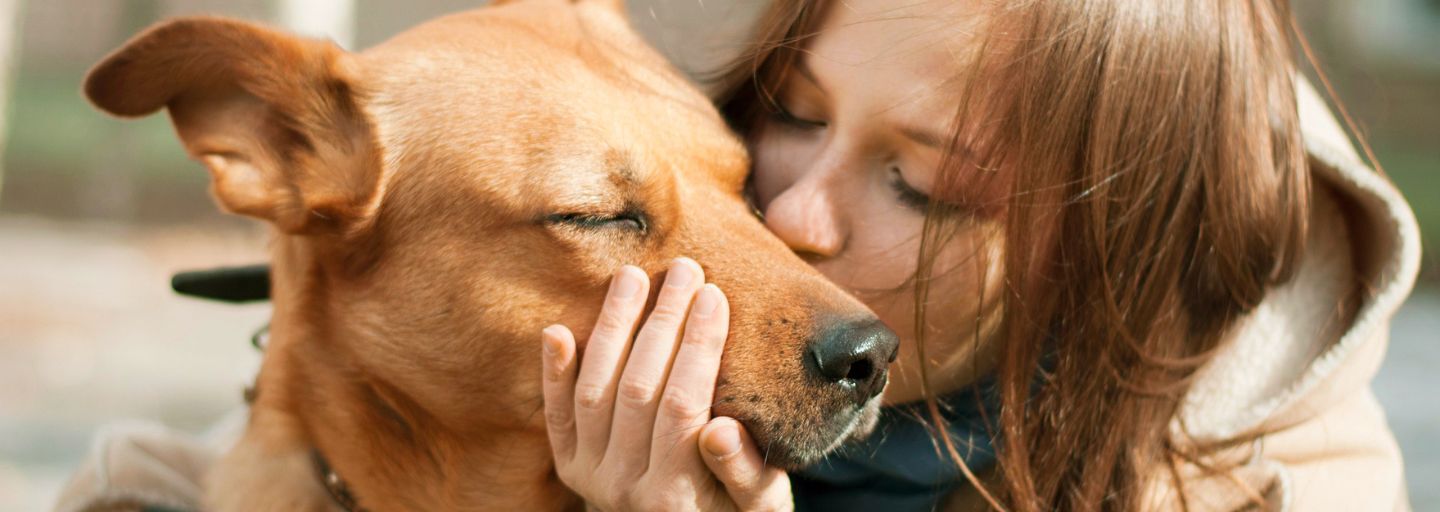
At eleven months, puppies are on the cusp of adulthood. They’ve grown in size and confidence, yet their playful quirks and curious behaviours remind us that they’re still learning about the world. This stage is full of amusing habits that make life with a young dog both entertaining and occasionally puzzling. Their adolescent energy often translates into behaviours that are both endearing and bewildering, giving owners a glimpse into the unique personality their puppy is developing. See some of the most commonly seem behaviours below:
Sneezing
You may notice your puppy sneezing during play sessions, when they’re excited, or even as a way to get your attention. Play sneezing is a well documented canine behaviour, often used to signal friendliness and keep interactions light-hearted. Sometimes sneezing is simply a response to dust, strong smells, or a tickle in the nose, but in many cases it’s part of their expressive communication. Owners often find it amusing when their puppy sneezes mid game, and it’s a reminder of how dogs use body language and sounds to interact with both humans and other animals.
Sleep
One of the most noticeable quirks at this age is the way puppies sleep. They often choose the most unusual positions, sprawled on their backs with paws in the air, curled tightly into a ball, or twisted into shapes that seem impossible. These positions are not only adorable but also meaningful. A puppy sleeping belly‑up shows that they feel safe and secure in their environment, while curling tightly helps conserve warmth. Sometimes, their odd twists and stretches are simply a way to relieve growing muscles and joints. Watching them sleep is a reminder that even as they mature, they retain the innocence and playfulness of their early months.
Tail Chasing
This behaviour tends to linger into adolescence. At eleven months, many puppies still find their tails fascinating, spinning in circles as if they’ve discovered a new toy. Often this is a playful act, a way to burn off energy or entertain themselves when bored. While harmless in moderation, excessive tail chasing can be a sign that your puppy needs more stimulation or structured play. Redirecting this energy into games, training, or outdoor activities helps keep the habit light-hearted and prevents it from becoming obsessive.
Licking
This is a common quirk that becomes more noticeable at this stage. Puppies lick for many reasons: to show affection, to seek attention, or to soothe themselves. An eleven month old may lick your hands, face, or even furniture as part of their exploration of the world. While it can be endearing, it is important to recognize that licking can also be a sign of anxiety or simply a way to investigate their surroundings. Providing chew toys, interactive play, and reassurance helps balance this behaviour and ensures it remains a healthy expression of their curiosity.
Time
Perhaps one of the most fascinating traits of adolescent dogs is their uncanny ability to “tell time.” By eleven months, many puppies seem to know exactly when meals, walks, or bedtime routines occur. They rely on internal rhythms, environmental cues, and their sharp senses to anticipate daily events. You may notice your puppy waiting by the food bowl or door at the same time each day, demonstrating their growing awareness of routine. This ability highlights their intelligence and adaptability, as they learn to predict and prepare for the rhythms of family life.
Closely linked to this sense of time is their remarkable ability to anticipate meals. Puppies at this age often hover near the kitchen or stare at you expectantly when feeding time approaches. This behaviour is partly habit and partly the result of keen observation. They quickly learn to associate certain cues, such as the sound of a food bag or the clink of a bowl, with mealtime. Their anticipation is both practical and amusing, showing how quickly dogs learn routines and how deeply they rely on them.
Vision
Vision and perception also play a role in the quirks of an eleven month old puppy. By this age, their vision is fully developed, but their perception of the world remains unique. Dogs see fewer colours than humans, primarily shades of blue, yellow, and grey, yet their ability to detect movement is far superior. This explains why your puppy may bark at a distant figure or chase after a flickering shadow. Their vision, combined with sharp hearing and an extraordinary sense of smell, makes them highly attuned to their environment. This heightened perception often leads to quirky behaviours, such as reacting to stimuli that seem invisible to us, reminding us that their world is experienced differently.
Thanks for joining the Purina Pet Club and if you need any help or advice, please get in touch with our PetCare Team here.