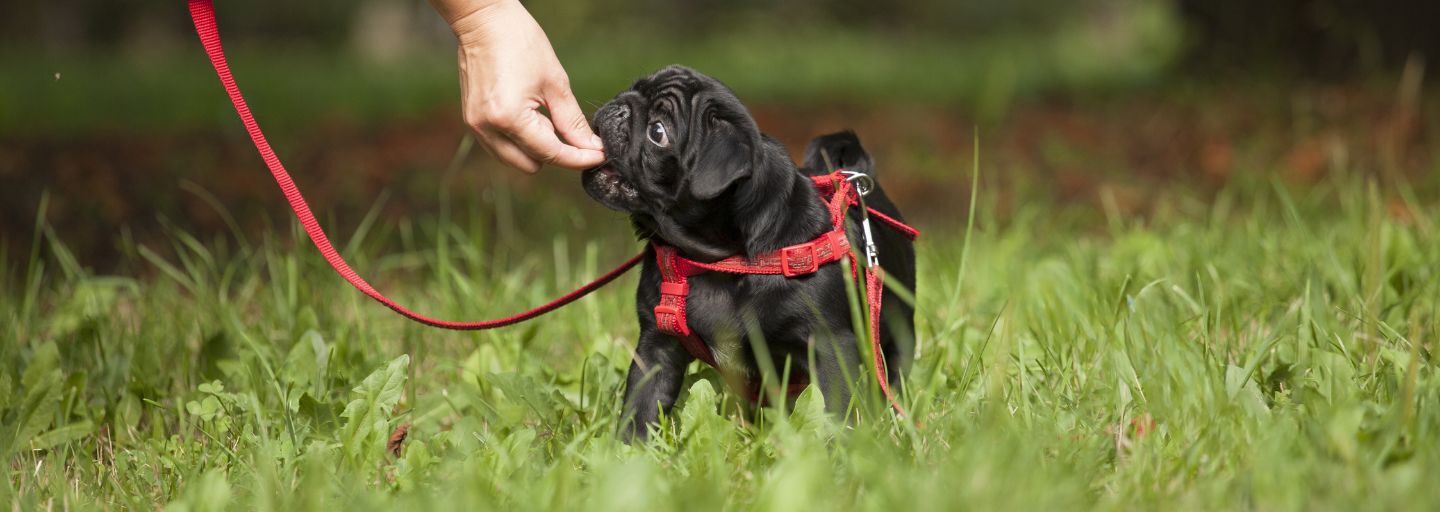
At this stage, your puppy is curious, energetic, and beginning to settle into life with you. To help guide their development, three key areas deserve your attention: training, sleeping, and veterinary care.
Training
Training at this age all about building foundations. Puppies at this age are eager to learn but still have short attention spans, so keep sessions brief—five to ten minutes at a time. Focus on basic commands such as sit, stay, come, and leave it. Use positive reinforcement techniques like treats, praise, and gentle affection to reward good behaviour.
Consistency is critical. Always use the same words for commands and encourage family members to follow the same approach. Begin introducing your puppy to leash training, starting indoors or in a quiet yard before progressing to busier environments. Socialisation should also continue—expose your puppy to new sights, sounds, and people in safe, controlled ways. This helps reduce fearfulness and builds confidence. Remember, patience is key; your puppy is learning how to navigate the world, and every small success strengthens your bond.
Sleeping Routines
Your puppies still require plenty of rest—often 18 to 20 hours of sleep per day. Sleep is vital for growth, brain development, and emotional regulation. Establishing a consistent bedtime routine will help your puppy feel secure. Create a designated sleeping area, such as a crate or a cozy bed in a quiet corner. Crate training can be particularly useful, as it provides a safe space and helps with house training. Keep the environment calm and avoid overstimulation before bedtime. Puppies may wake during the night, so be prepared for short bathroom breaks. Over time, they will learn to sleep longer stretches. Encourage naps throughout the day, especially after play or training sessions. Just like children, puppies can become overtired, leading to crankiness or misbehaviour. By respecting their need for rest, you’ll support healthy growth and balanced behaviour.
The Importance of a Vet Visit
By now you should be on track with their vaccination schedule. Although most puppy vaccines begin between 6–8 weeks of age, protocols can vary depending on your location, so make sure to check with your vet about which vaccines your puppy needs and when they should start. A vet visit at this age is essential to ensure they are protected against common diseases such as parvovirus, distemper, and hepatitis. Your veterinarian will also check your puppy’s overall health, including weight, teeth, ears, and coat condition. This is the perfect time to ask questions about nutrition, parasite prevention, and behaviour. Discuss flea and worming treatments, as puppies are particularly vulnerable. Your vet may also provide guidance on microchipping if it hasn’t already been done. Beyond medical care, vet visits help your puppy become comfortable with handling and examination. Bring treats to make the experience positive and keep the atmosphere calm. Early positive experiences at the vet will reduce anxiety in future visits.
Thanks for joining the Purina Pet Club and if you need any help or advice, please get in touch with our PetCare Team here.