By ten months of age, puppies are firmly in adolescence. They’ve mastered the basics of sit, stay, and recall, but they’re also testing boundaries and showing more independence. This is the perfect time to move beyond simple commands and focus on advanced training that will prepare them for adulthood. Advanced training not only strengthens obedience but also deepens the bond between you and your dog, ensuring they grow into a confident, well‑mannered companion.
Reinforcing the Basics
Before diving into advanced skills, it’s important to reinforce the foundation. At ten months, puppies may “forget” commands they once knew, especially when distracted.
- Consistency is Key; Practice basic commands daily in different environments.
- Distraction Training; Work on obedience in busy areas like parks or near other dogs to ensure reliability.
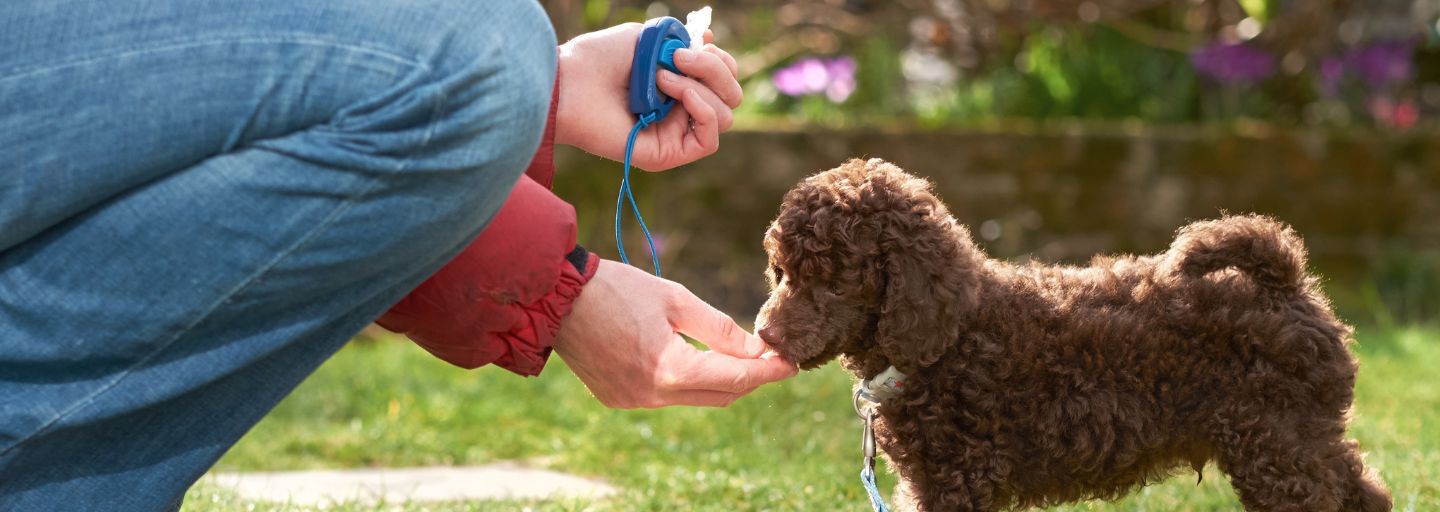
- Positive Reinforcement; Continue using treats, praise, or play as rewards to keep training enjoyable.
A strong foundation makes advanced training smoother and more effective.
Advanced Commands
Once the basics are solid, you can introduce more complex commands that challenge your puppy’s growing intelligence.
- Heel for calm walking.
- Leave It / Drop It for safety.
- Place / Settle to manage excitement.
- Long Stay and Distance Recall to build patience and reliability.
These skills are practical for everyday life and enhance your dog’s self‑control.
Expanding Into Advanced Training Activities
At this stage, puppies are ready for more than obedience. You can begin introducing activities that challenge them physically and mentally:
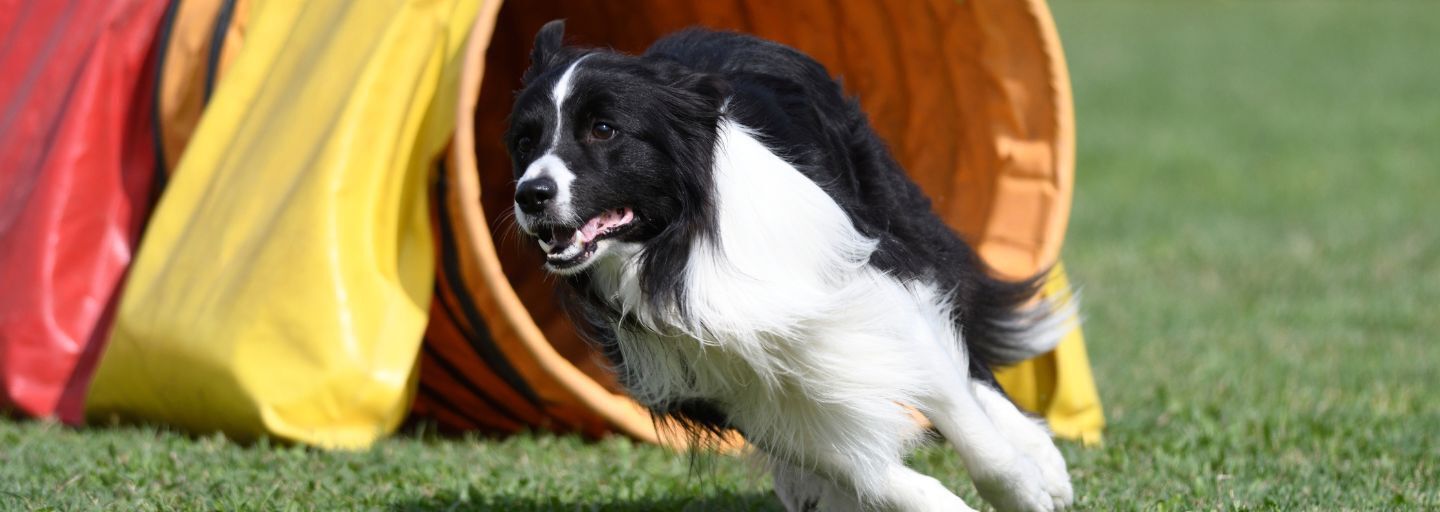
- Agility Training: Start with simple obstacles like tunnels, low jumps, and weave poles. This builds coordination, confidence, and teamwork.
- Scent Work / Nose Games: Hide treats or toys and encourage your puppy to find them. Progress to distinguishing between containers for advanced scent detection.
- Impulse Control Games: Teach patience with commands like “wait” before meals or “leave it” around tempting items.
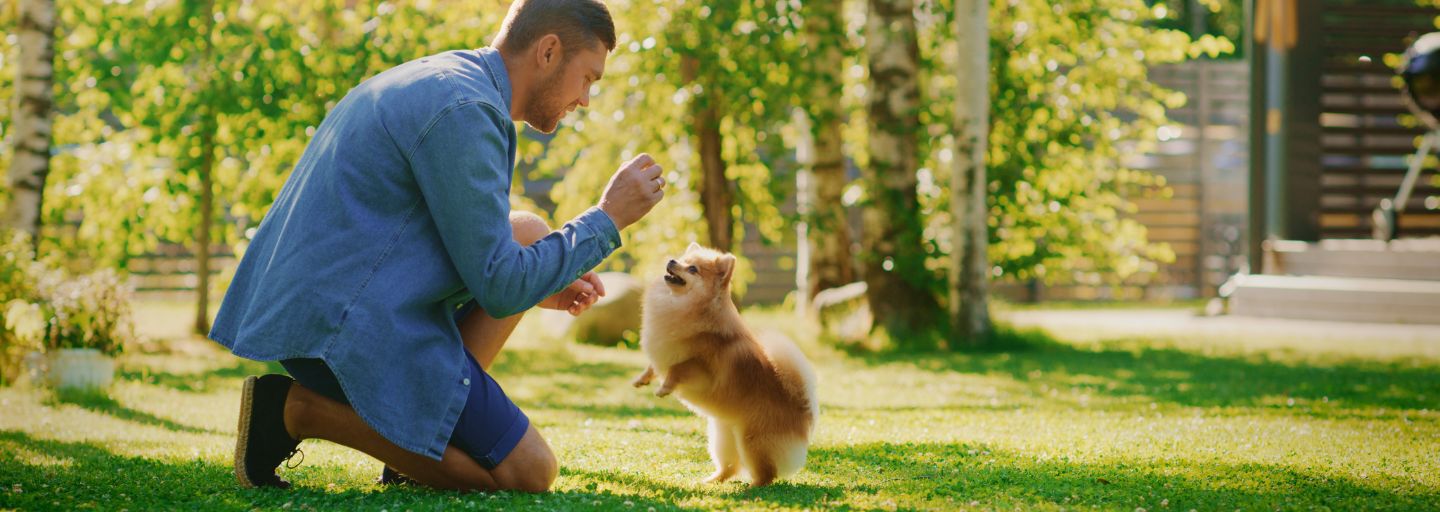
- Trick Training: Go beyond basics with fun tricks like “spin,” “back up,” or “play dead.” Tricks keep training engaging and strengthen communication.
- Canine Sports: Explore flyball, rally obedience, or dock diving depending on your dog’s breed and energy level.
- Public Manners Training: Practice calm behavior in cafés, shops, or outdoor events, teaching your puppy to settle politely in social settings.
- Service‑Style Skills: Teach practical tasks like fetching specific items or carrying small objects, giving your puppy a sense of purpose.
These activities provide variety, prevent boredom, and help channel energy productively.
Mental Stimulation
Advanced training isn’t just about obedience — it’s about keeping your puppy’s mind sharp. Puzzle toys, scent games, and trick training all reduce boredom and prevent unwanted behaviours like chewing or digging. Mental stimulation is as important as physical exercise for a balanced adolescent dog.
Thanks for joining the Purina Pet Club and if you need any help or advice, please get in touch with our PetCare Team here.