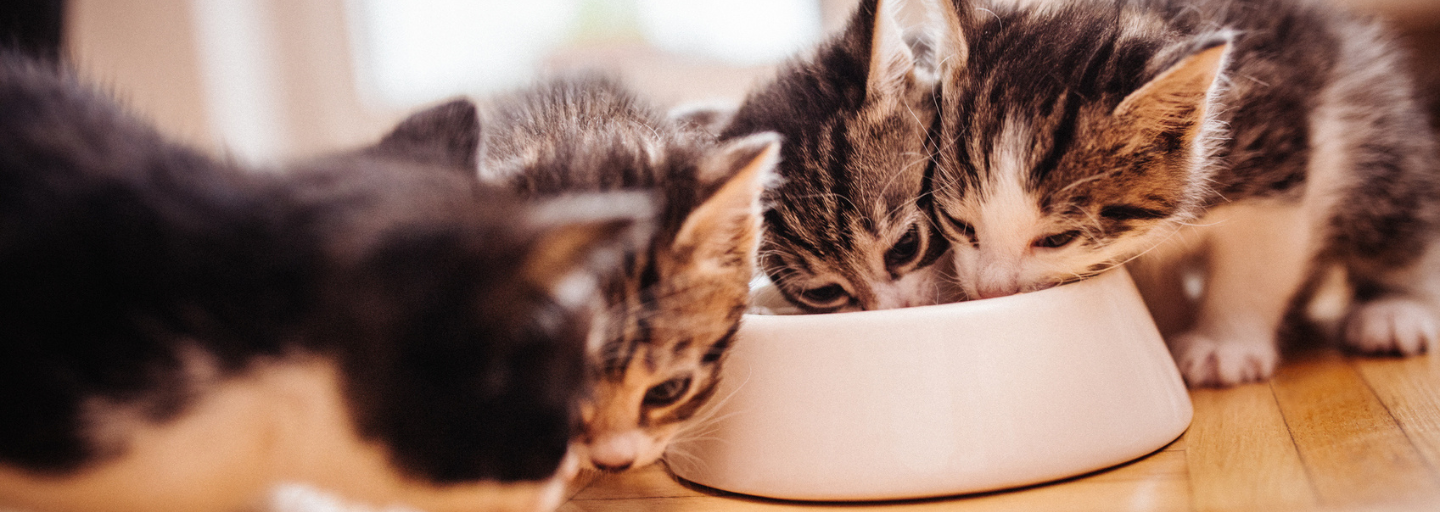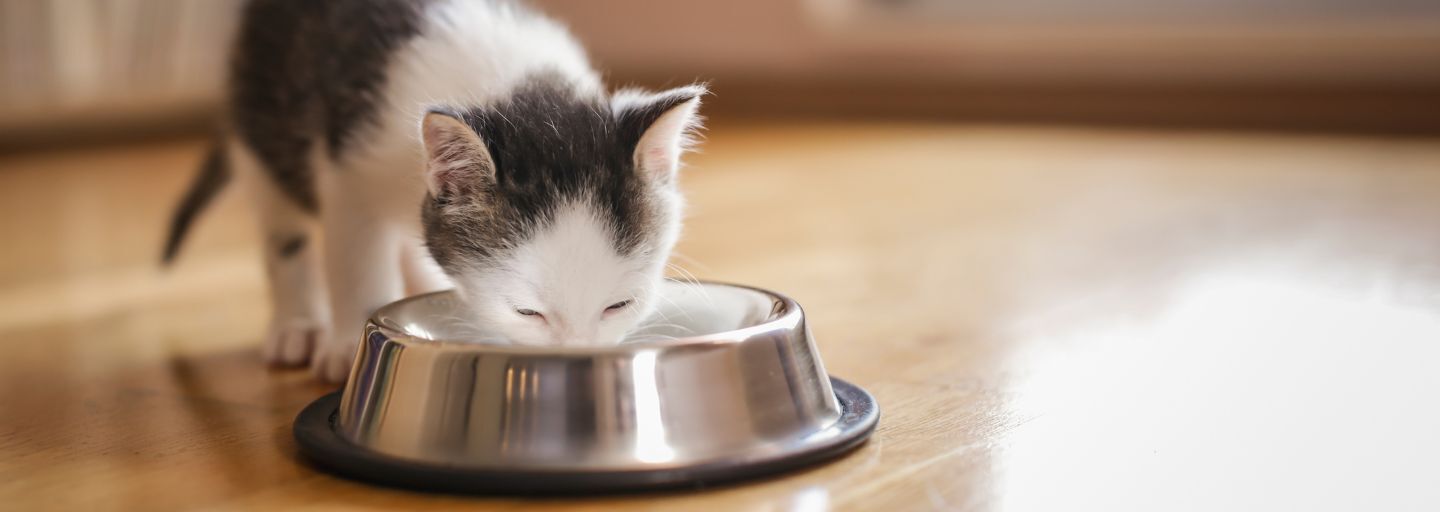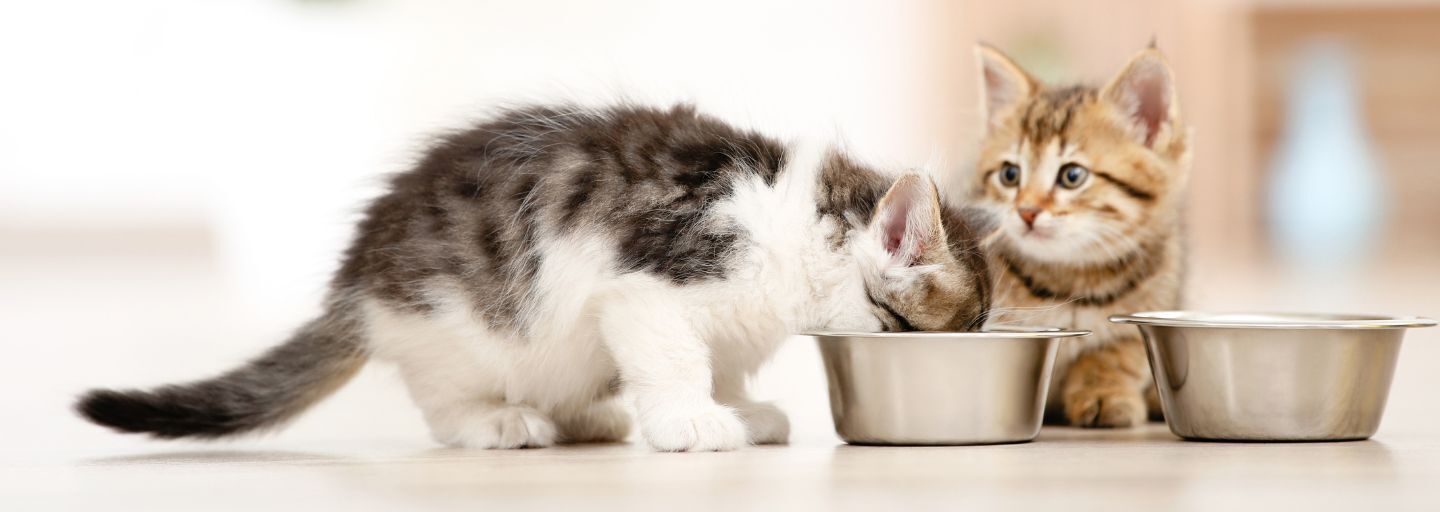
It’s essential to provide a nurturing environment for your 9 week old kitten, that supports their growth and development. At this stage, kittens are curious, energetic, and growing at a remarkable pace. Their tiny bodies are developing rapidly, which makes proper nutrition one of the most important aspects of their care. The food you choose now will lay the foundation for their long‑term health, vitality, and happiness.
Why Nutrition Matters
Kittens require a diet rich in essential nutrients to fuel their growth. Unlike adult cats, their nutritional needs are much higher because they are building muscle, strengthening bones, and developing organs and immune systems. High‑quality kitten food is specifically formulated to meet these needs, ensuring they receive the right balance of protein, fats, vitamins, and minerals.
Protein: Vital for muscle development and tissue repair. Kittens need more protein than adult cats to support their rapid growth.
Fat: Provides concentrated energy and supports brain and nervous system development. Healthy fats also help maintain a shiny coat.
Calcium and Vitamins: Essential for bone growth, dental health, and overall development. Vitamins like A, D, and E play key roles in immunity and cell function.
Carbohydrates: While not as critical as protein and fat, carbohydrates provide additional energy and fiber for digestive health.
Feeding Guidelines
A balanced diet is crucial. Offering both dry and wet kitten food ensures variety and meets different nutritional needs. Dry food is convenient, helps with dental health, and can be left out for nibbling. Wet food, on the other hand, provides hydration and is often more palatable, encouraging kittens to eat enough to meet their energy requirements.
- Balanced Diet: Choose a combination of dry and wet food labeled “complete and balanced” for kittens.
- Regular Feeding Schedule: At 9 weeks, kittens should be fed three meals a day. This routine supports steady growth and prevents overeating. Around six months of age, you can transition to two meals daily.
- Portion Control: Monitor your kitten’s weight and adjust portion sizes as needed. Overfeeding can lead to obesity, while underfeeding may stunt growth.
- Fresh Water: Always provide clean, fresh water. Hydration is essential, especially if your kitten eats mostly dry food.
Foods to Avoid
Did you know that certain foods can be toxic or harmful to kittens? It’s important to be vigilant and prevent access to unsafe items. Avoid giving them chocolate, alcohol, onions, garlic, dairy products, raw meat or fish, bones, grapes, raisins, and caffeine. These substances can cause digestive upset, poisoning, or long‑term health issues. Stick to kitten‑specific food and treats to ensure safety.
Three Essential Tips for a 9‑Week‑Old Kitten
Provide High‑Quality Kitten Food: Select food designed for kittens, rich in protein, fat, calcium, and vitamins.
Establish a Feeding Routine: Feed three times daily, adjusting portions as your kitten grows. Maintain hygiene by cleaning bowls regularly.
Avoid Harmful Foods: Protect your kitten by keeping toxic foods out of reach and offering only safe, nutritious options.
By focusing on balanced nutrition, consistent feeding routines, and safe food choices, you’ll give your 9‑week‑old kitten the best possible start in life. Proper nutrition now ensures they grow into a strong, healthy, and happy adult cat. Thanks for joining the Purina Pet Club and if you need any help or advice, please get in touch with our PetCare Team here.