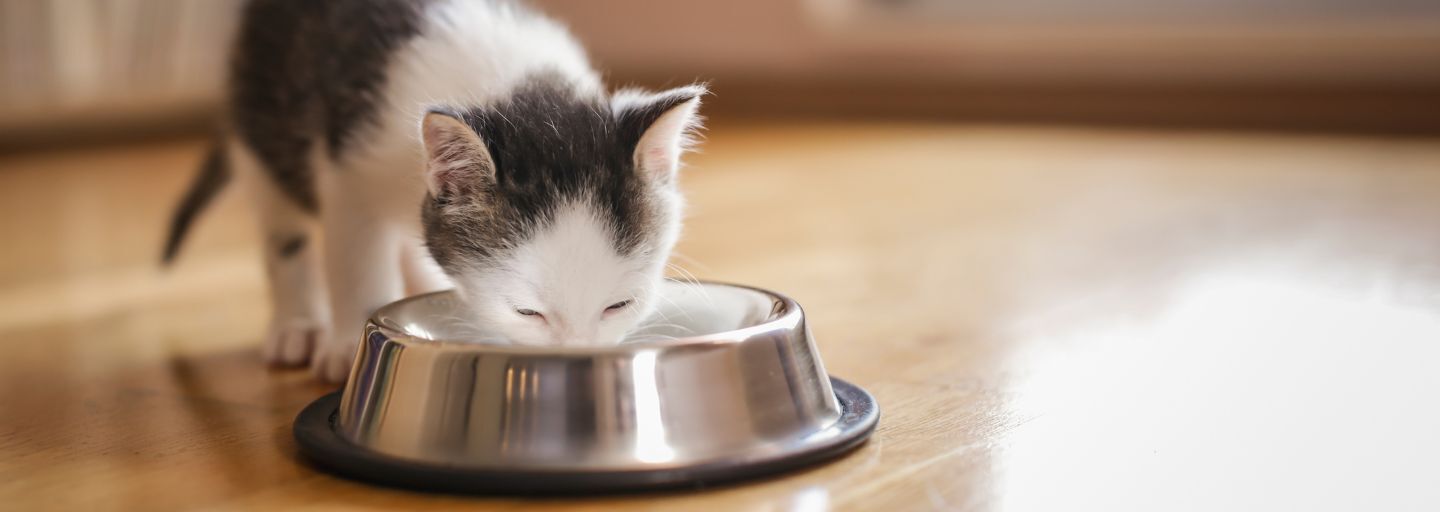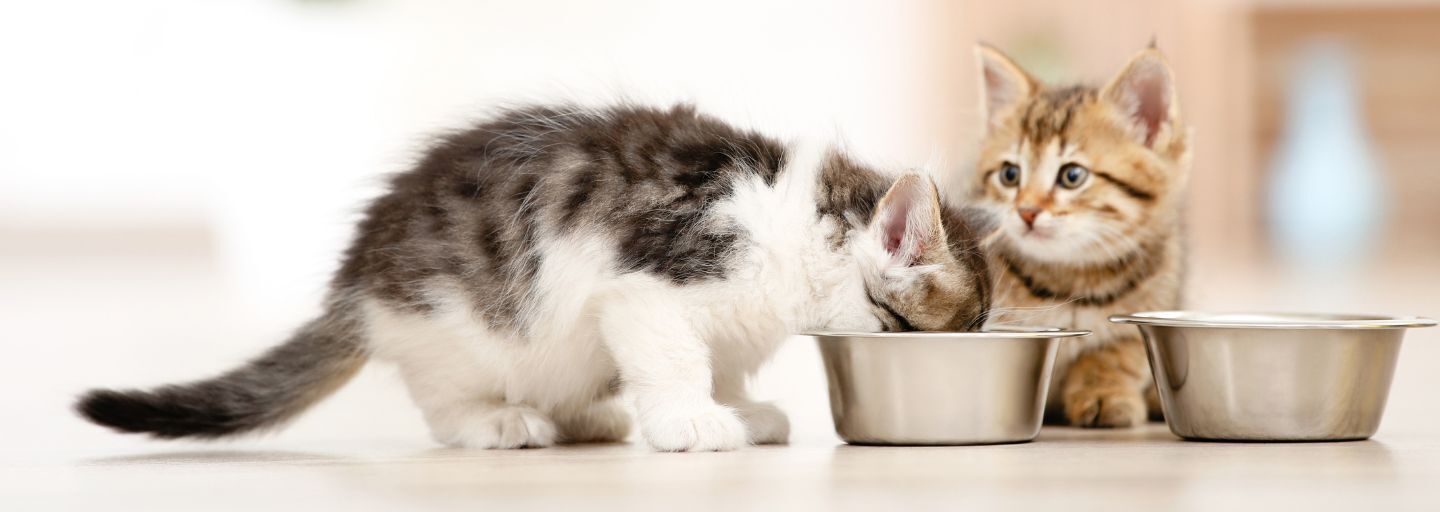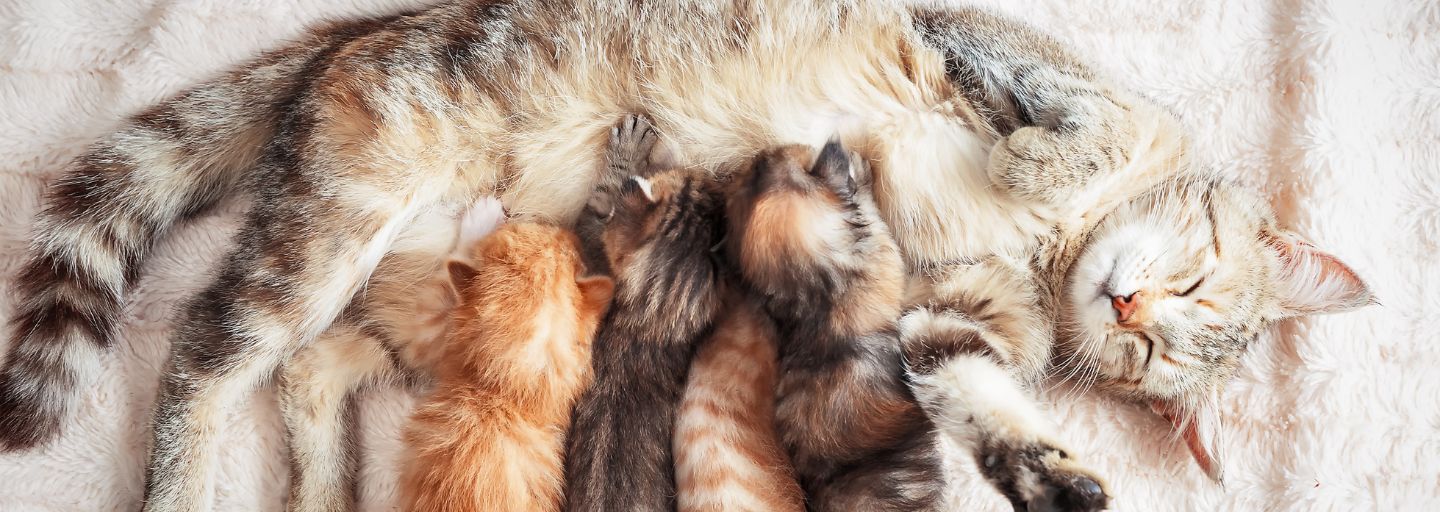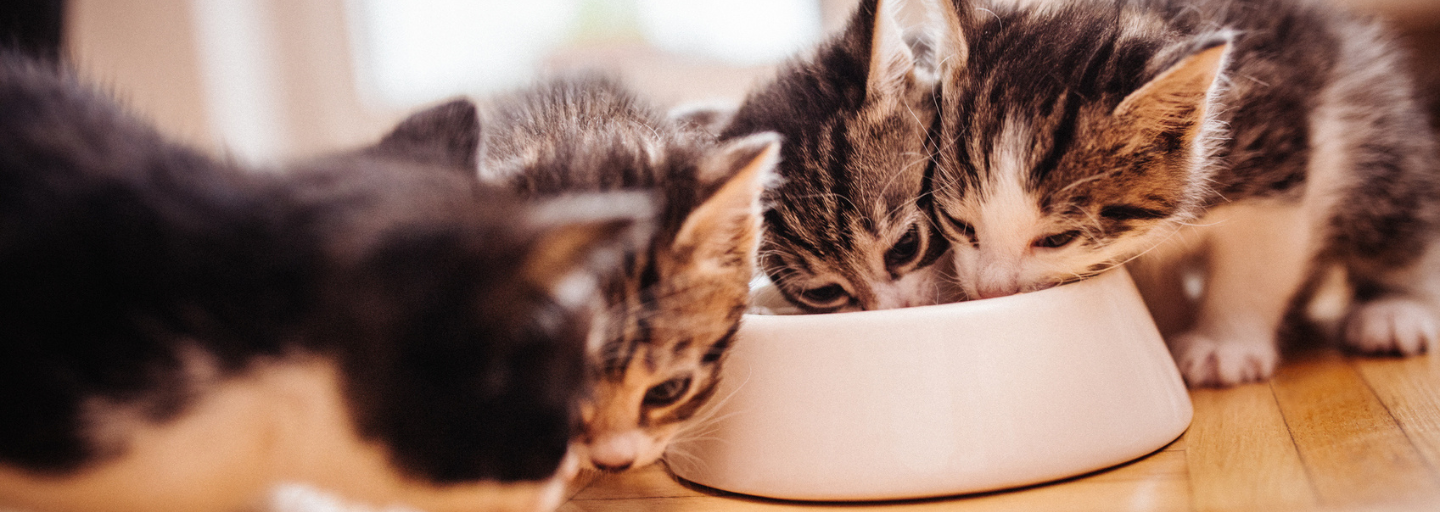
Congratulations on welcoming a new kitten into your home! At this time, it’s essential to provide them with the right nutrition to support their healthy development. Kittens grow rapidly, reaching 75% of their adult weight within six months, making proper feeding crucial.
What Should Kittens Eat?
Choose high-quality kitten food specifically formulated to meet the nutritional needs of growing cats. These foods are rich in:
Protein: Essential for muscle development.
Fat: A critical energy source for kittens, supporting their active lifestyle and brain development.
Carbohydrates: Provide additional energy.
Calcium, Magnesium, and Vitamins: Support bone growth, immune function, and overall health.
Look for products labelled as “complete and balanced” for kittens, which ensures they meet all nutritional requirements for this life stage.
Treats should be:
- Formulated for kittens, ensuring they contain appropriate nutrients.
- Given occasionally, and should not exceed 5% of the kitten’s daily caloric intake.
- Used to reinforce positive behaviour or provide enrichment, but not as a substitute for a balanced diet.
Avoid overfeeding treats, especially those not designed for kittens, as they may lack essential nutrients.
Cooked Chicken or Fish
You can offer small amounts of cooked, boneless, and skinless chicken or fish as an occasional treat. However:
Treat these as supplemental only, not a replacement for kitten food and ensure they are plain and fully cooked, with no added seasoning or oils. Remember to keep portions small to avoid nutritional imbalance. If your kitten came from a breeder or rescue, continue with the same food they were eating to prevent stomach upsets.
Types of Kitten Food
Dry Kitten Food: Dry food can be a valuable part of a kitten’s diet when chosen carefully. However, it's important to focus on benefits that are appropriate for their age and developmental stage.
Convenient and Practical: Dry food is easy to measure, store, and can be left out for kittens who prefer to graze throughout the day — a natural feeding behaviour in cats.
Small Kibble Size: Designed for tiny mouths, making it easier for kittens to chew and digest.
Common Misconceptions
Plaque Reduction: While dry food is often marketed as helping reduce plaque through chewing, this benefit is not particularly relevant for kittens, as dental issues like plaque buildup typically develop later in life.
Chewing vs. Kibble Size: Promoting chewing for dental health while also emphasizing small, easy-to-chew kibble can be contradictory. For kittens, the priority should be digestibility and nutrient density, not dental abrasion.
Wet Kitten Food
Highly Palatable: Wet food often has a stronger aroma and softer texture, which can be more appealing to kittens, especially during weaning or early growth stages.
Variety of Textures: Cats — including kittens — can develop strong texture preferences. Wet food comes in a range of consistencies (pâté, chunks in gravy, mousse, etc.) to suit even the fussiest eaters.
Hydration Support: Wet food has a high moisture content, which helps support hydration — particularly important for kittens who may not drink enough water on their own.
What Dish Should I Use for My Kitten's Food?
When choosing a dish for your kitten, consider their whiskers. Cat whiskers help them navigate their environment, so it’s essential to choose a bowl that keeps their whiskers comfortable.
Tip 1: Pick a shallow bowl that can hold a day’s worth of food.
Tip 2: The lip of the bowl should be just tall enough to keep the kibble contained.
Tip 3: If your kitten tends to be a messy eater, consider a larger plate to catch scraps and crumbs.
Where Should I Place My Kitten's Bowl?
The placement of your kitten’s food dish is important for their comfort and security.
Tip 1: Avoid placing the bowl in a corner to prevent blocking your kitten’s line of sight.
Tip 2: Place the dish in an area where your kitten can see in multiple directions, especially if there are other pets in the house.
How to Feed Kittens
Establishing a regular feeding routine is important. Here are some tips:
Feeding Location: Choose a quiet spot away from the litter box for feeding.
Use a clean bowl: This helps prevent your kitten from refusing food due to dirt, and to avoid bacterial growth such as Serratia marcescens, which can cause red or pink discoloration in leftover wet food. Ideally, wash all pet dishes immediately after each meal using very hot water and antibacterial detergent.
Separation: If you have multiple kittens, feed them in separate areas to avoid competition and stress.
How Much to Feed a Kitten
Kittens require different amounts of food based on their age, activity level, and environment. Here are some guidelines:
Follow the feeding instructions; On your kitten food packaging — these are formulated to support growth and development..
Adjust portion sizes: Based on your kitten’s individual needs, including their weight and energy levels. If feeding both wet and dry food, balance the amounts to avoid overfeeding and ensure nutritional completeness. Please note: Feeding amounts are meant to be guides only. Every kitten is different, and food intake can vary significantly. The amounts listed on packaging are daily totals, which can be split into 2 or 3 meals depending on your kitten’s routine and preferences.
Changing Kitten Food
Kittens have sensitive digestive systems, so avoid sudden food changes. If you need to switch their food:
1. Introduce both the new and old foods separately.
2. Gradually mix the new food with the old over 7-10 days.
3. Monitor your kitten for any signs of digestive upset.
When to Switch to Adult Food
Continue feeding your kitten nutritious kitten food until they are about 12 months old. This ensures they receive the necessary nutrients for their growth.
By following these tips, you can help your kitten grow into a healthy and happy cat!