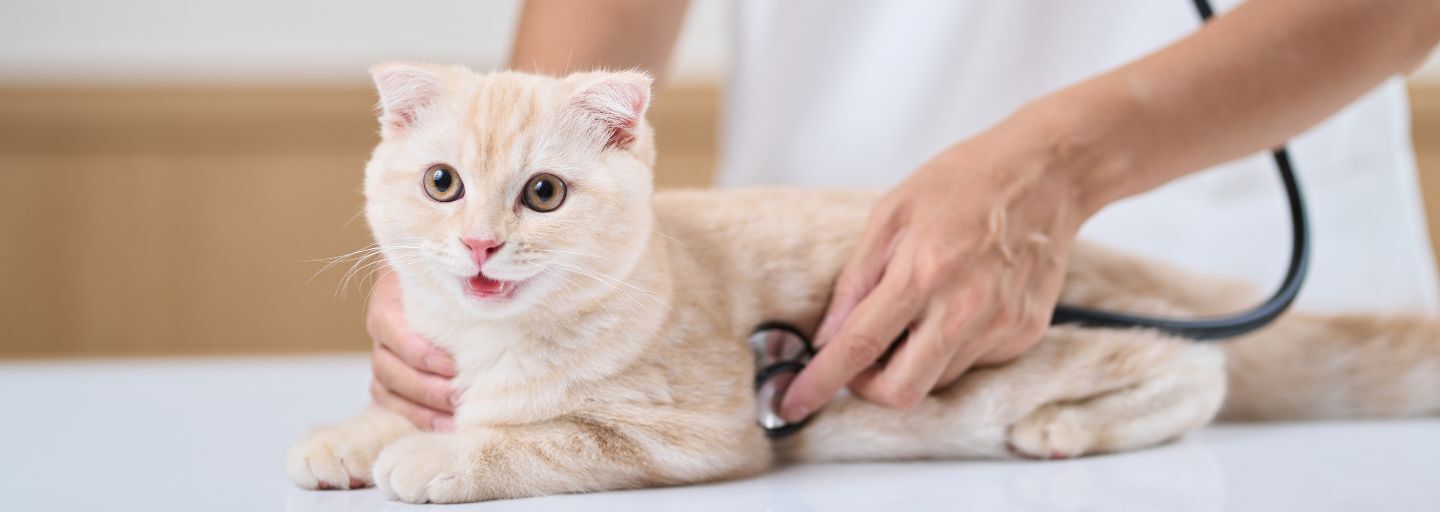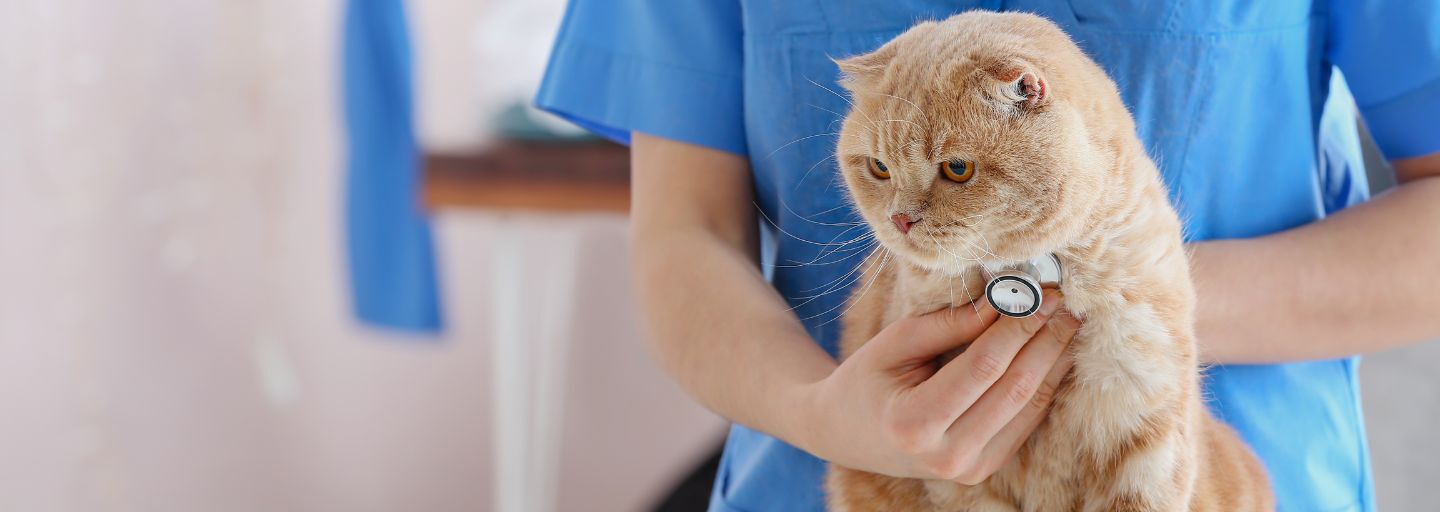
As a proud owner of a 7-month-old kitten, ensuring their health and well-being is paramount. Kittens are playful and curious, but they can also be vulnerable to various health issues. By conducting regular health checks and being aware of potential illnesses, you can provide your kitten with a happy and healthy life.
Regular Health Checks
Conducting regular at-home health checks is the first line of defense in maintaining your kitten's overall health. Cats are notorious for hiding discomfort, which makes it crucial to be observant. Here are some key areas to focus on during your checks:
Body Condition: Gently feel your kitten's sides to check for their ribs. A healthy weight will show a waistline and a slight tummy tuck. If you notice any weight irregularities, consult your veterinarian.
Ears and Eyes: Clean and clear ears without any discharge are signs of good health. If your kitten has light-colored ears, protect them from the sun. Bright and clear eyes indicate health, while redness or discharge may require veterinary attention.
Nose and Mouth: A soft, moist nose is a good sign, while any crustiness should be noted. Ensure your kitten has white teeth and pale gums. Difficulty eating or excessive drooling should be investigated.
Skin, Coat, and Nails: A healthy coat is thick and shiny. Look for signs of dandruff, fleas, or sores. Regular nail trims are essential, especially for indoor kittens.
Digestion and Thirst: Monitor your kitten's eating habits and litter box usage. Occasional vomiting may be normal, but persistent issues should be discussed with your veterinarian.
Behavioral Clues: Changes in behavior, such as hiding or aggression, can indicate discomfort. Be attentive to these signs and consult a veterinarian if needed.
Common Sensitivities and Allergies
Kittens can also experience sensitivities and allergies. Here are some common ones to watch for:
Food Sensitivities: Symptoms include vomiting, diarrhea, and excessive scratching. Consult your veterinarian for dietary recommendations.
Environmental Allergies: Allergens like pollen and dust can cause sneezing and itchy skin. Allergy testing may be necessary.
Flea Allergy Dermatitis: This occurs due to flea saliva and can cause intense itching and skin infections. Regular flea control is essential.
Stress and Anxiety: Changes in environment can stress your kitten. Provide a calm space and monitor for behavioral changes.
Common Diseases in Kittens
Understanding common diseases can help you take preventive measures:
Kidney Disease: Look for increased thirst and urination, weight loss, and decreased appetite. Early detection is crucial.
Diabetes: Symptoms include increased thirst and urination. Regular vet check-ups can help manage this condition.
Feline Upper Respiratory Infection: Symptoms include sneezing and nasal discharge. Good hygiene can prevent the spread.
Feline Urinary Tract Disease: Frequent urination and straining to urinate are signs. Ensure access to fresh water and a clean litter box.
Three Essential Tips for 7-Months-Old Kitten
- Regular Veterinary Visits: Schedule routine check-ups with your veterinarian to catch any health issues early.
- Maintain a Healthy Diet: Provide a balanced diet tailored to your kitten's age and needs. Avoid sudden dietary changes.
- Create a Safe Environment: Ensure your home is free from hazards and provide a stress-free environment for your kitten to thrive.