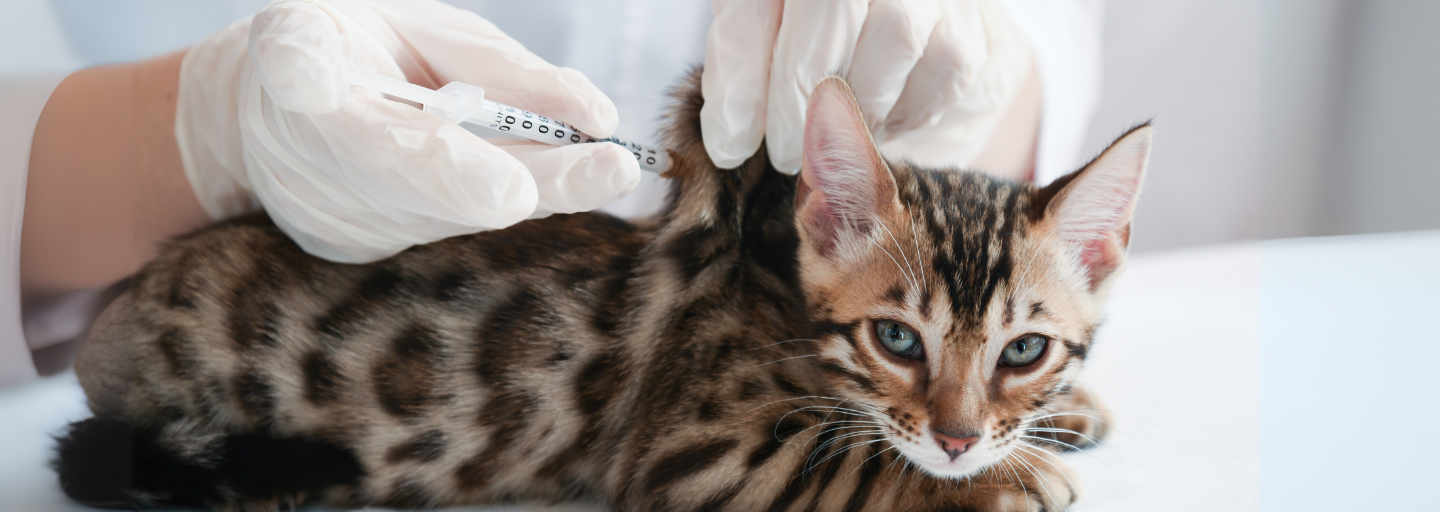
As your kitten turns 10 weeks old, it’s crucial to prioritize their health to ensure they grow up strong and resilient. This stage of life is filled with curiosity, playfulness, and rapid development, making it the perfect time to focus on an essential aspect of their well‑being: vaccinations. Ensuring your kitten receives the appropriate vaccinations is vital not only for their individual health but also for protecting other cats in your community from serious diseases.
Why Vaccinations Matter
Vaccinations are the cornerstone of your kitten’s health care. They provide essential protection against potentially life‑threatening illnesses such as feline distemper, calicivirus, and feline herpesvirus. By vaccinating your kitten, you are equipping their immune system with the tools it needs to recognize and fight off dangerous pathogens. This reduces the risk of outbreaks and contributes to the overall health of the feline population. In essence, vaccinations safeguard your kitten while also promoting a healthier environment for all cats.
How Vaccines Work
Vaccines stimulate your kitten’s immune system by introducing a harmless version or fragment of a disease‑causing organism. This exposure trains the immune system to recognize the pathogen and mount a defense if the real infection occurs later. Without proper vaccination, your kitten’s immune system may not be prepared to combat viral or bacterial infections, leaving them vulnerable to illness. Vaccines act as a shield, ensuring your kitten can thrive during these critical early months.
Recommended Vaccination Schedule
Kittens should receive their first vaccination between 6 and 8 weeks of age. A typical vaccination schedule includes three rounds, usually administered four weeks apart:
- 6 – 8 Weeks: First vaccination
- 10 – 12 Weeks: Booster vaccination
- 14 – 16 Weeks: Final vaccination
After completing this initial series, it is crucial to continue annual booster shots for adult cats to maintain immunity. Skipping boosters can leave your cat susceptible to diseases, so consistency is key.
Three Essential Tips for a 10‑Week‑Old Kitten
- Regular Vet Visits: Schedule routine check‑ups with your veterinarian. These visits allow the vet to monitor your kitten’s growth, administer vaccinations on time, and address any health concerns early.
- Observe Behavior: Pay close attention to your kitten’s behavior and energy levels. Sudden changes in appetite, lethargy, or unusual symptoms should be addressed promptly with professional care. Early detection of issues can make a significant difference in treatment outcomes.
- Maintain Hygiene: Provide a clean living environment to minimize the risk of infections. Wash food and water bowls daily, keep litter boxes clean, and ensure your kitten’s bedding is fresh. Good hygiene supports their immune system and complements the protection offered by vaccines.
Building a Healthy Future
Vaccinations are an incredibly important part of your kitten’s health journey. By following the recommended schedule, maintaining regular veterinary care, and observing your kitten closely, you are laying the foundation for a long, healthy, and happy life. At 10 weeks old, your kitten is at a critical stage where the right care decisions will shape their future well‑being. Thanks for joining the Purina Pet Club and if you need any help or advice, please get in touch with our PetCare Team here.