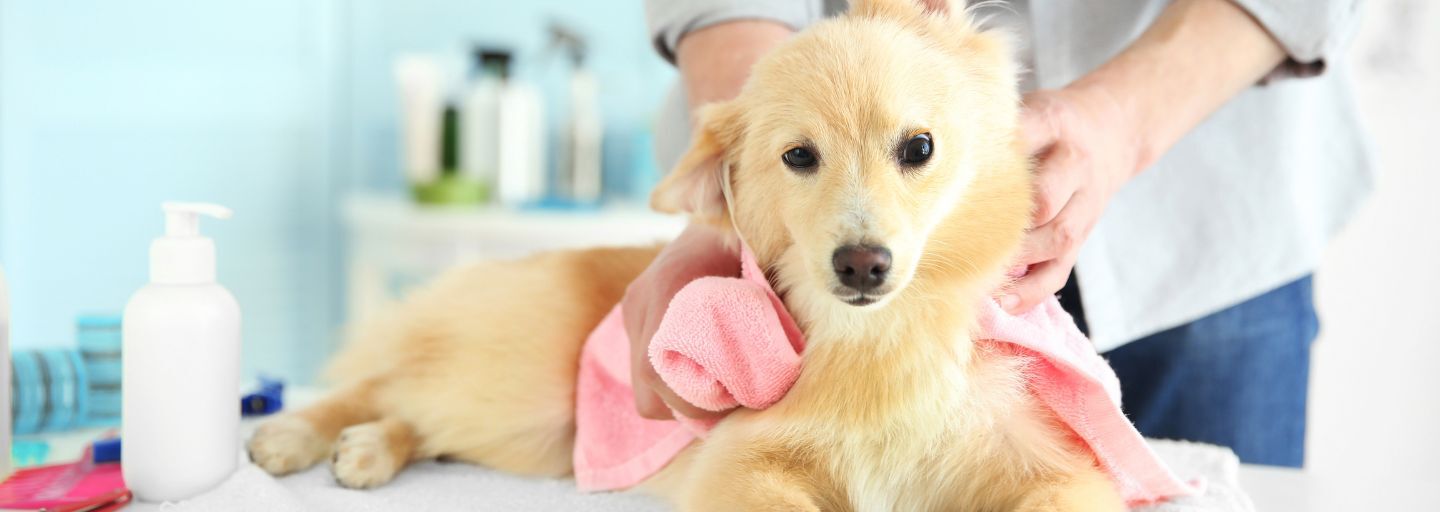
By six months of age, puppies are entering adolescence - a stage filled with excitement, challenges, and important milestones. They are no longer tiny puppies, but not yet mature adults. This period is crucial for shaping their health, behaviour, and the bond you share with them. Three key areas often come into focus at this age: desexing, changes in their coat, and the importance of name recognition.
Desexing: A Responsible Choice
Many veterinarians recommend considering desexing (also called spaying or neutering) around six months of age, though the exact timing can vary depending on breed, size, and health.
Health Benefits; Desexing can reduce the risk of certain cancers and prevent unwanted litters.
Behavioral Benefits; It may help curb roaming, marking, and aggression, especially in male dogs.
Timing Considerations; Large breeds sometimes benefit from waiting a little longer to allow for full growth, while smaller breeds are often desexed earlier. Always consult your vet for guidance tailored to your puppy.
Desexing is not just a medical procedure; it’s a step toward responsible pet ownership, ensuring your puppy grows into a healthy adult without contributing to overpopulation. See our article link below to understand the process further.
Losing Their Puppy Coat
Around six months, many puppies begin shedding their soft puppy coat as their adult fur grows in. This transition can be messy, but it’s a normal part of development.
What to Expect; You may notice tufts of fur around the house or a change in texture and color as the adult coat emerges.
How to Help; Regular brushing reduces shedding and keeps the coat healthy. For double‑coated breeds, grooming is especially important to prevent matting.
Diet and Health; A balanced diet rich in omega‑3 fatty acids supports skin and coat health during this change.
This stage is temporary, and with consistent grooming, your puppy’s new coat will soon shine.
Calling Your Puppy by Name
At six months, puppies are developing stronger cognitive skills and can reliably learn to respond to their name. Name recognition is more than a convenience — it’s a foundation for safety and training.
Consistency is Key; Use your puppy’s name positively and consistently. Avoid pairing it with scolding, so they don’t associate their name with negativity.
Training Tips; Call their name at meal times and then reward them with their bowl. Also try calling their name and when they look at you, reward them with a pat and gradually build up to responding in distracting environments.
Bonding Through Names; A name becomes a signal of trust and attention. It’s how you connect with your puppy in moments of play, training, or recall.
By reinforcing name recognition, you’re teaching your puppy to focus on you, which is invaluable for obedience and safety.
Thanks for joining the Purina Pet Club and if you need any help or advice, please get in touch with our PetCare Team here.