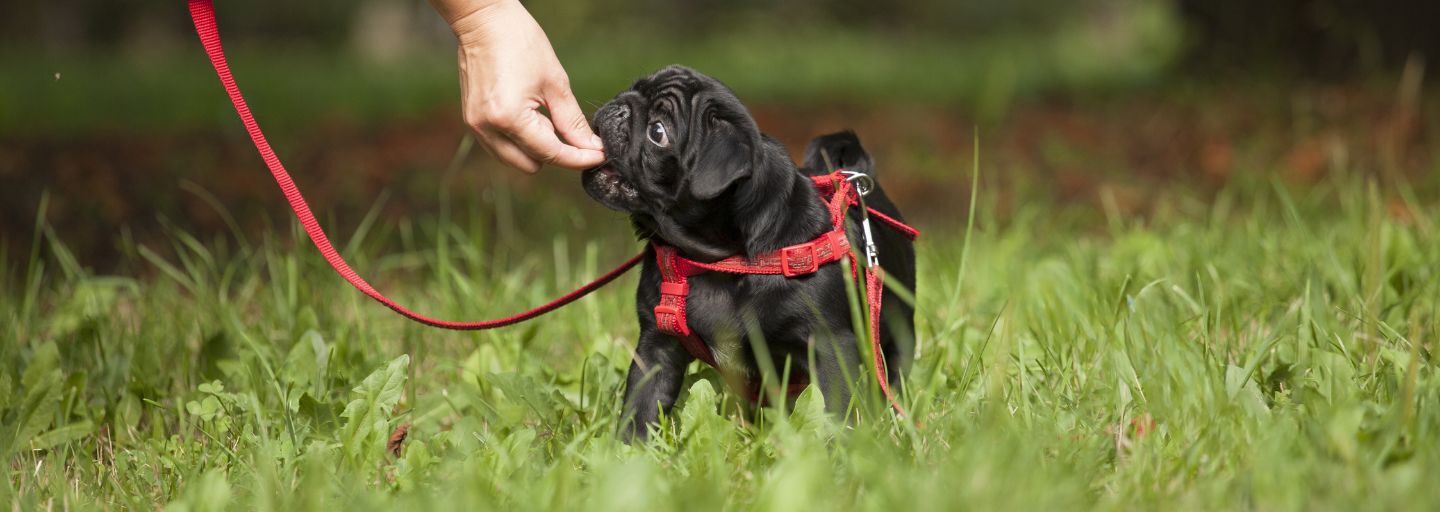
At five months of age, puppies are brimming with energy, curiosity, and a growing sense of independence. This stage is often described as the “toddler phase” of canine development. They are still very much a puppy, but their personalities are beginning to shine through, and their physical abilities are expanding rapidly.
Developmental Milestones
By five months, most puppies have doubled or tripled their size. They are learning boundaries, testing limits, and refining social skills. Their attention span is longer than in earlier months, making this a prime time for consistent training. Commands such as sit, stay, and come can be reinforced with short, positive sessions. Patience is key, as puppies at this age are easily distracted but eager to please.
Games to Play
Play is essential for bonding, exercise, and mental stimulation. The right games channel your puppy’s energy into positive outlets. Try the below ideas if you are looking for inspiration.
Fetch with Soft Toys; Gentle games of fetch help burn energy and reinforce recall. Use lightweight balls or plush toys to avoid injury to growing teeth.
Tug-of-War; A sturdy rope toy can be used for tugging, which builds strength and teaches impulse control. Always supervise and stop if play becomes too rough.
Hide and Seek; Hide behind furniture or in another room and call your puppy. This game strengthens recall and builds confidence.
Puzzle Toys; Food-dispensing toys challenge their minds and keep them occupied, reducing boredom-related mischief.
Training Games; Turn obedience practice into play by rewarding quick responses with treats or praise. Puppies thrive when learning feels fun and is a game.
Please find recommended toys from our TOTAL CARE range at the bottom of the page.
Teething and Losing Baby Teeth
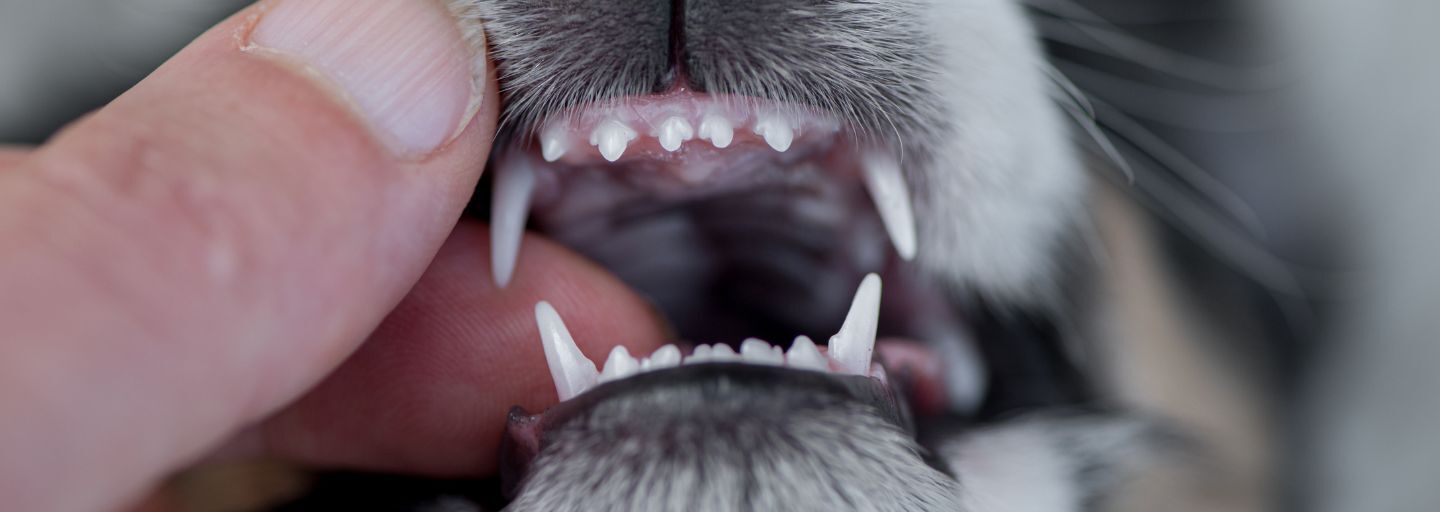
Around five months, puppies begin losing their baby teeth, as adult teeth push through. This is a perfectly normal process and can last until six or seven months. Don't be alarmed if you find teeth! Just like human children, teething can cause discomfort, leading to chewing behaviour.
What to Expect:
- Loose teeth may fall out during play or meals.
- Gums can be sore, and chewing offers relief.
- You may notice small spots of blood on toys — this is normal.
How to Help
Provide Safe Chew Toys; Offer rubber toys, puppy-safe bones, or frozen washcloths to soothe sore gums. Avoid hard items that could damage incoming adult teeth.
Monitor Chewing; Puppies may target furniture or shoes. Redirect them calmly to appropriate toys rather than scolding.
Maintain Dental Health; Begin gentle tooth brushing with a puppy toothbrush and canine toothpaste. Early dental care sets the stage for lifelong oral health.
Vet Checkups; Ensure adult teeth are coming in correctly. Sometimes baby teeth don’t fall out naturally, and a veterinarian may need to remove them.
Thanks for joining the Purina Pet Club! If you need any help or advice, please get in touch with our PetCare Team here.