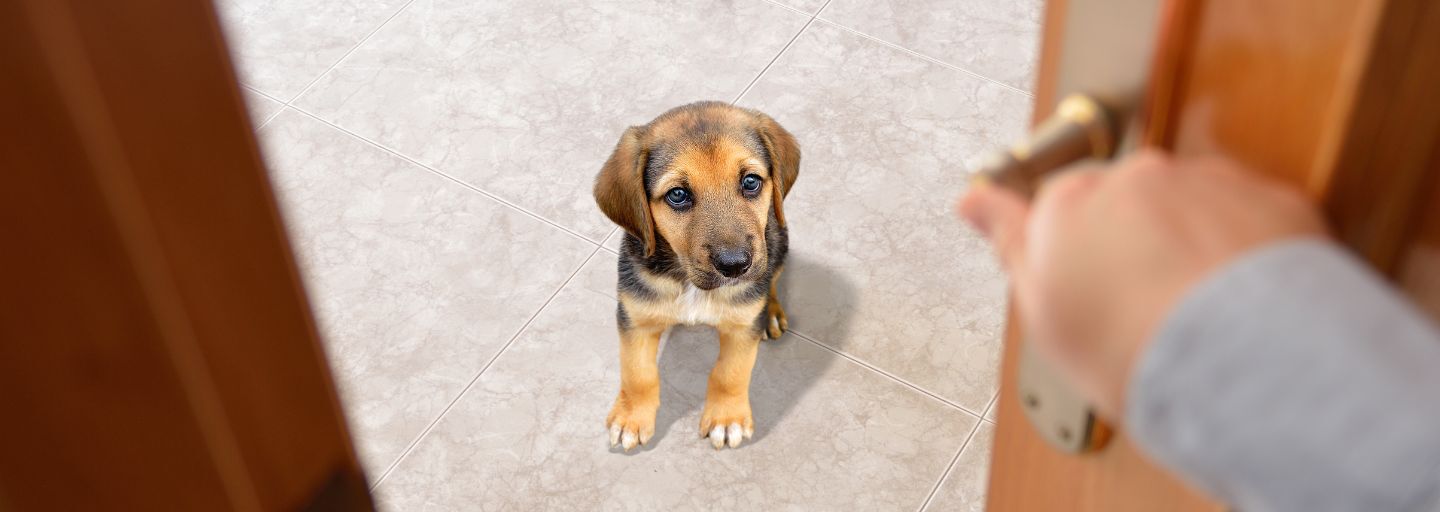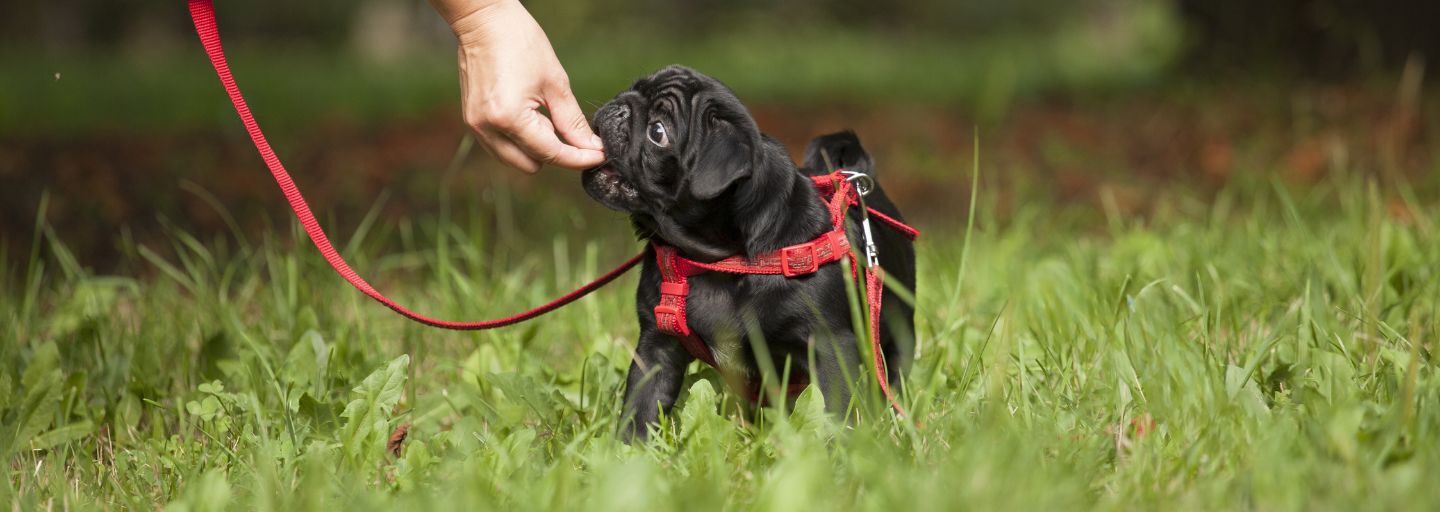
At four months old, your puppy is entering a crucial stage of development. They’re more confident, more curious, and their bond with you is stronger than ever. That bond is beautiful, but it can also make time apart difficult. A simple evening out with friends can feel like abandonment to a young dog who doesn’t yet understand that you’ll always come back. This is where separation anxiety often begins — and where early training can make all the difference.
Separation anxiety in dogs is a condition where they show signs of distress when left alone. It’s not mischief or disobedience; it’s genuine fear and confusion. Owners often discover the problem through damaged furniture, claw marks on doors, or complaints from neighbours about constant barking. Puppies may pant, pace, attempt to escape, or even relieve themselves indoors. These behaviours are not about being “naughty” — they are signals that your dog is struggling to cope.
The causes of separation anxiety vary. Some dogs experience it due to early abandonment, lack of training, or poor socialisation. Others may be affected by sudden changes such as moving house, a new routine, or the arrival of another family member. Genetics can also play a role. Before assuming your puppy has separation anxiety, it’s important to rule out other explanations. A loud truck passing by might trigger barking, while chewed furniture could simply be boredom. Recording your puppy when you leave can help you distinguish between anxiety and restlessness.
If you’re confident your puppy is experiencing separation anxiety, there are practical steps you can take.
- Skip long goodbyes — keep departures calm and quick.
- Use distractions — toys, puzzles, or treat dispensers. Check out the Purina TOTALCARE range.
- Desensitise departure cues — pick up your keys or put on shoes without leaving.
- Background noise — leave the radio or TV on.
- Crate training — create a safe, cozy den for your puppy.
Prevention is just as important as treatment. At four months, your puppy is at the perfect age to begin gradual independence training. Start small: leave them alone for a minute, then slowly increase the time. This teaches them that being alone is normal and safe. Exercise is also vital. A tired puppy is far more likely to nap than to chew through the couch. And while it can be frustrating to return home to chaos, avoid punishment. Your puppy won’t connect your anger to their earlier behaviour; instead, they’ll become more anxious about your departures.
Night‑time can bring its own challenges. Puppies often whine, scratch, or bark when separated at bedtime. The key is not to reinforce these behaviours by rushing to comfort them. Instead, try distance training — start with their bed in your room, then gradually move it further away. Keep bedtime calm and routine, without dramatic cuddles that make the separation feel more intense. Treat‑dispensing toys can also help ease nervous energy before sleep.
In severe cases, medication may be considered, but only under veterinary guidance. Never give your dog human medication, and always consult your vet before trying anything new.
At four months, your puppy is ready to begin learning independence. By combining early training, exercise, and calm routines, you can help them grow into a confident dog who feels secure even when you’re not there. Separation anxiety doesn’t have to define your relationship - with patience and consistency, you can build trust that lasts a lifetime.
Need help with training your puppy? Does it suffer with separation anxiety? Why not get in touch with the Purina PetCare Team here.