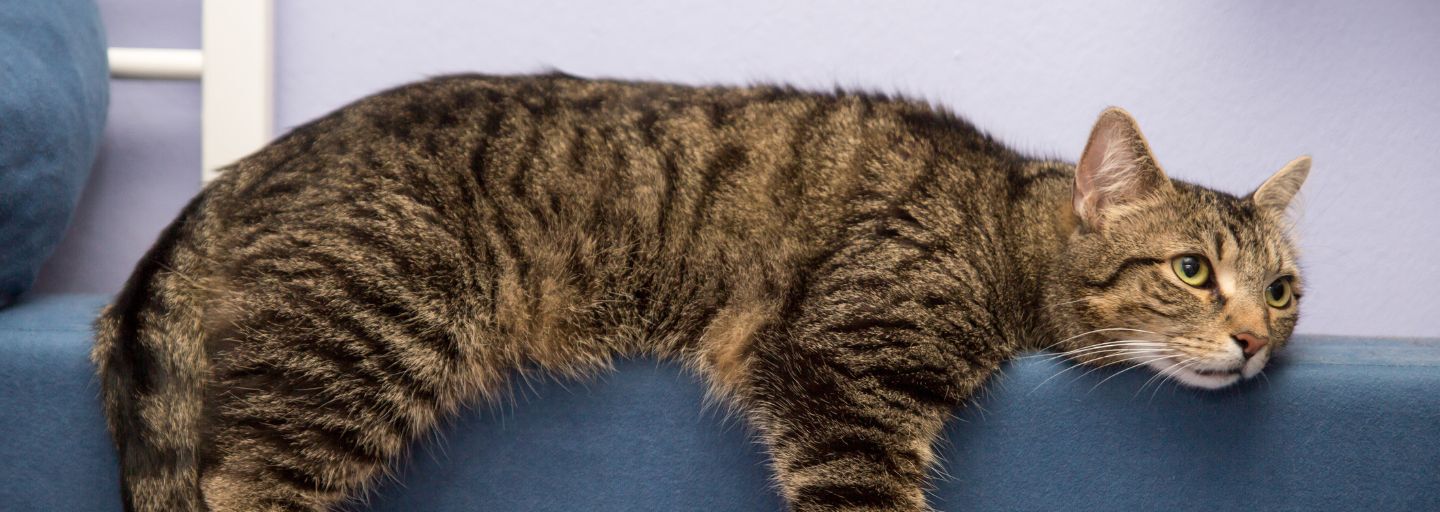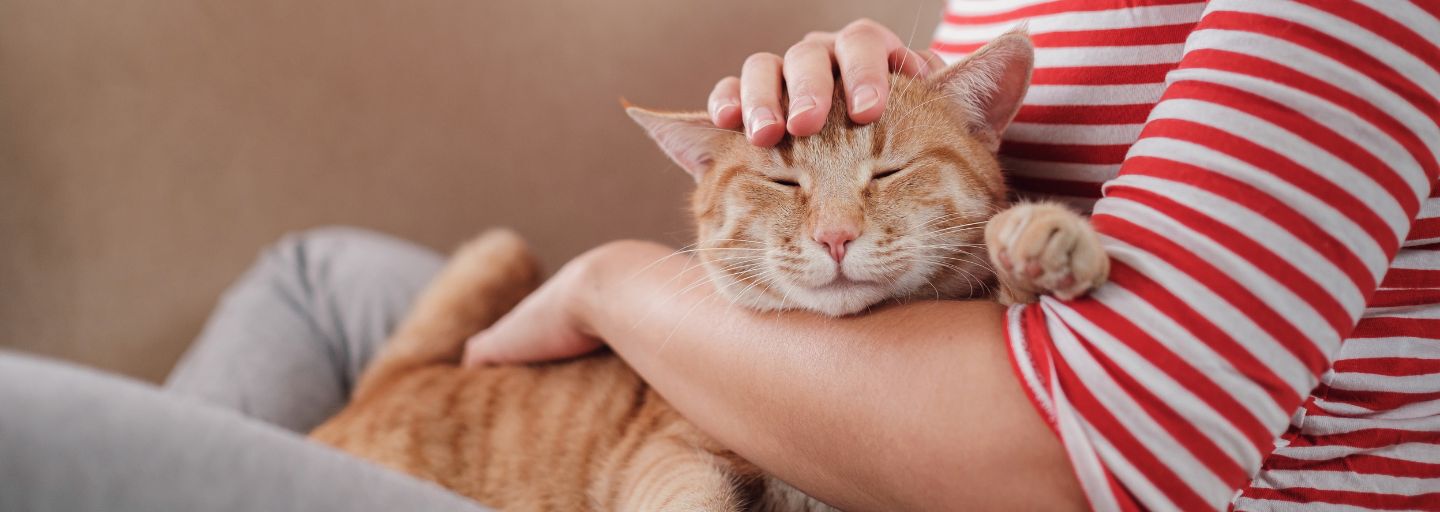
As your kitten grows, understanding their emotions becomes essential for fostering a loving and nurturing environment. A 10-month-old kitten is at a crucial developmental stage, where their personality is blossoming, and their emotional needs are becoming more apparent. Kittens experience a range of emotions, including fear, anxiety, and boredom. It's vital for pet owners to be attuned to these emotions to promote a healthy and happy life for their feline friends. By observing their behavior and understanding their body language, you can better respond to their needs.
Recognizing Your Kitten's Emotions
Body Language: Kittens communicate a lot through their body language. A relaxed kitten will have a neutral tail position and may knead with their paws. Conversely, an arched back, puffed fur, or a low tail may indicate fear or aggression.
Vocalizations: Pay attention to the sounds your kitten makes. Purring often signifies contentment, while hissing or growling may indicate discomfort or distress.
Play Behavior: Engaging in play is a significant indicator of a kitten's emotional state. Active play suggests they are happy and healthy, while a lack of interest in play could signal boredom or stress.
Seeking Attention: Kittens that seek out your company, rub against you, or follow you around are expressing affection and trust. Conversely, if they hide or avoid interaction, they may be feeling anxious or insecure.
Three Essential Tips for a 10-Month-Old Kitten
Create a Stimulating Environment: Ensure your home is enriched with various toys, climbing structures, and safe hiding spots. This will help prevent boredom and allow your kitten to explore their natural instincts. Consider implementing the following boredom busters:
Height Advantage: Install shelves or window perches for your kitten to observe their surroundings.
Joy of Toys: Provide a variety of toys and rotate them regularly to maintain interest.
Hide and Seek: Use boxes as cozy retreats or tunnels to stimulate their curiosity.
Establish a Routine: Kittens thrive on routine. Regular feeding times, play sessions, and quiet time create a sense of security. This predictability helps reduce anxiety and allows your kitten to feel more at ease in their environment.
Social Interaction: Spend quality time with your kitten through play and cuddling. This not only strengthens your bond but also reassures them of your presence and affection. If possible, consider adopting another kitten to provide companionship, reducing feelings of loneliness.