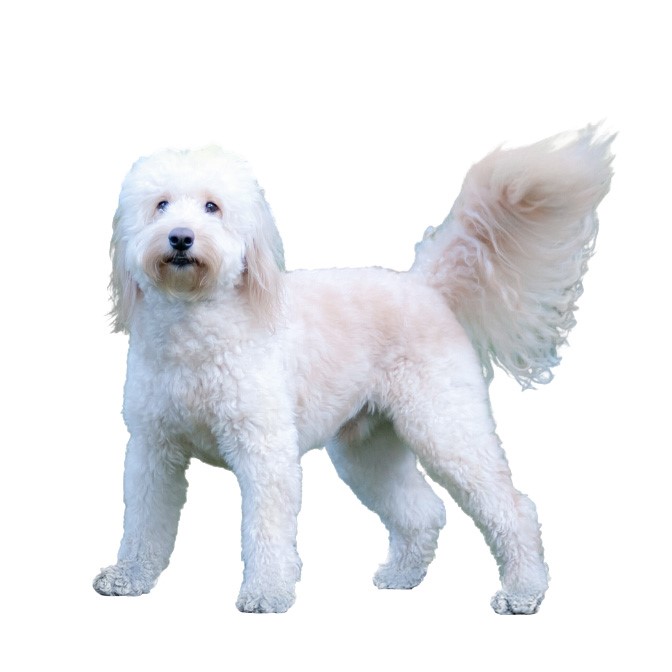
Golden Doodle / Groodle
Large
Long
51- 66 cm tall
High
Standard: 23- 45 kg and 51- 66 cm
Conformation, Field Trials, Hunting Tests, Tracking, Narcotics Detection, Agility, Conformation, Therapy, Service Dog
The Groodle/ Goldendoodle is an intelligent and very friendly companion. Groodle/ Goldendoodles can be good with children and enjoy being part of the family unit. They are not recommended for living in a small home or apartment as they need room to move. They can be quite vocal and prone to separation anxiety, so early socialisation and training is a must. They are very gentle with children and enjoy being part of the family unit. They can adapt to living in a small home or apartment as long as they receive adequate daily exercise.
Groodle/ goldendoodles will shed if they have a coat that is closer to the golden retriever. Those with a fluffy woolly coat usually do not shed and are often tolerated by allergic people. These thicker coats do take a great deal of care though, generally requiring professional grooming, as well as regular combing and brushing at home.
Some Groodle/ Goldendoodles should be taken to a groomer about every six weeks for a clip of your choice.
The Groodle/ Goldendoodle’s ears need frequent cleaning or they will become infected and daily teeth brushing is recommended or tartar will build up rapidly and lead to gingivitis.
The eyes should be cleaned daily to prevent a build-up eye discharge and tear staining.
Golden Retrievers and Poodles can be prone to a genetic condition called progressive retinal atrophy (PRA) – this is a recessive disease whereby both parents need to carry the gene in order for the puppies to be affected. The disease causes progressive blindness. Responsible breeders will have the parents genetically tested before breeding from them.
It is best to feed the Goldendoodle dry food as this breed is prone to tartar build up on their teeth.
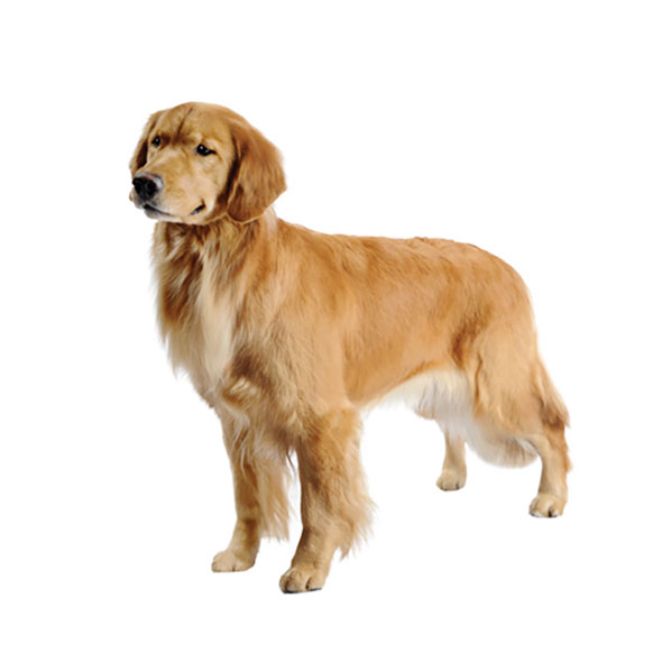
The Groodle or Goldendoodle is a hybrid of a golden retriever and a poodle (toy, miniature or standard). They have become increasingly popular over the last 10 years. The aim of crossbreeding is to minimise the genetic diseases that can be present in purebred dogs. First-cross goldendoodles will have the maximum genetic benefits associated with a hybrid dog – in other words, a goldendoodle with one parent purebred golden retriever and one parent purebred poodle will have less genetic diseases than second or third cross Groodle or goldendoodles.
Known as a group of crossbred dogs called ‘oodles’ or poodle-crosses.
Daily walks physical and mental exercise is a must, regular trips to the dog park and swimming will keep help keep a Goldendoodle entertained. They enjoy socialising with other dogs.

 RightPaw