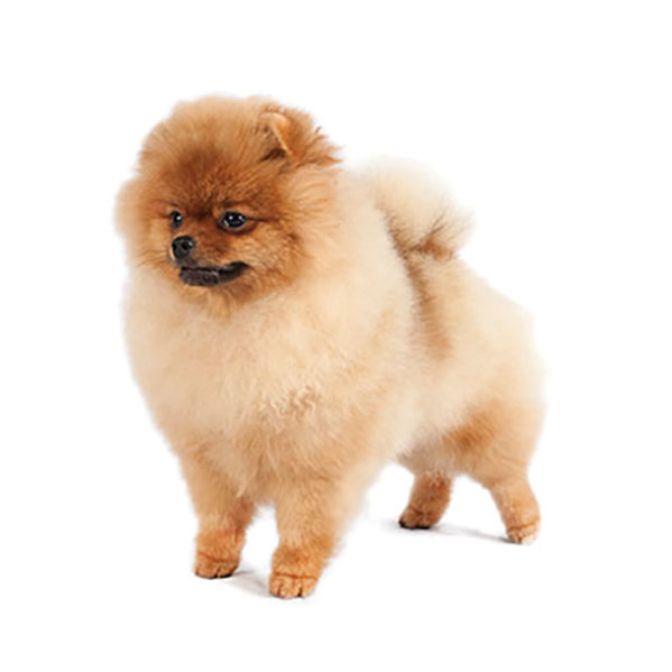
Pomeranian
Small
Long
18 to 28cm tall
Low
1 to 3kg
Obedience, Rally Obedience
Beaver, black, blue, blue merle, chocolate, cream, orange, red and white.
Pomeranians are known for their lively and extroverted temperament. They are friendly, intelligent, and curious, making them excellent companions for families and individuals alike. Despite their small size, Pomeranians possess a bold and confident personality, often displaying a playful and mischievous side. They are generally good with children and can be social with other pets, although early socialization is important.
A typical Pomeranian weighs between 1.8 to 3.2 kg and stands about 18 to 30 cm tall at the shoulder. They have a distinct double coat that is fluffy and soft, contributing to their adorable appearance. The breed is characterized by its fox-like face, small ears, and vibrant expressions. Pomeranians come in a variety of colors, including orange, black, cream, and blue.
The average lifespan of a Pomeranian is around 12 to 16 years. With proper care, including regular veterinary check-ups and a balanced diet, these dogs can enjoy a long and healthy life. Their small size often contributes to their longevity, but owners should remain vigilant about their health and well-being.
Pomeranians are available in a wide range of colors, including orange, black, cream, sable, and blue, among others. Their vibrant coats can also feature various markings, making each dog unique. The variety in color and patterns adds to the breed's appeal among dog lovers.
Pomeranians are moderate shedders, with heavier shedding occurring during seasonal changes. Their double coat requires regular grooming to prevent matting and to maintain its fluffy appearance. Weekly brushing is recommended to reduce loose hair and keep their coat healthy.
Generally, Pomeranians are healthy dogs, but they can be prone to certain health issues, including dental problems, hip dysplasia, and patellar luxation. Regular veterinary care and proper dental hygiene are essential for maintaining their health and preventing common issues.
A balanced diet tailored to their size and activity level is crucial for Pomeranians. High-quality dog food formulated for small breeds is recommended. Owners should monitor their dog's weight to avoid obesity, as this can lead to various health problems.
The Pomeranian breed evolved from larger Spitz-type dogs, which were used for herding and guarding in colder climates. Over time, selective breeding led to the development of the smaller Pomeranian we know today. Their popularity surged in the 18th and 19th centuries when they became favored by royalty and celebrities.
Pomeranians are known for their energetic and playful nature. They require regular exercise and mental stimulation to keep them happy and healthy. Their intelligence makes them quick learners, and they often excel in dog sports and obedience training. Early training and socialization are essential for developing a well-rounded companion.


 RightPaw