
Cavalier King Charles Spaniel
Small
Medium
30 to 33 cm tall
Medium
5.5 and 8 kg
Obedience, Conformation
The King Charles Cavalier is renowned for its gentle and affectionate temperament. They are friendly, playful, and eager to please, making them excellent family pets. Cavaliers are known to be good with children and other pets, displaying a calm and sociable nature. Their loving disposition makes them ideal companions for both active and relaxed households.
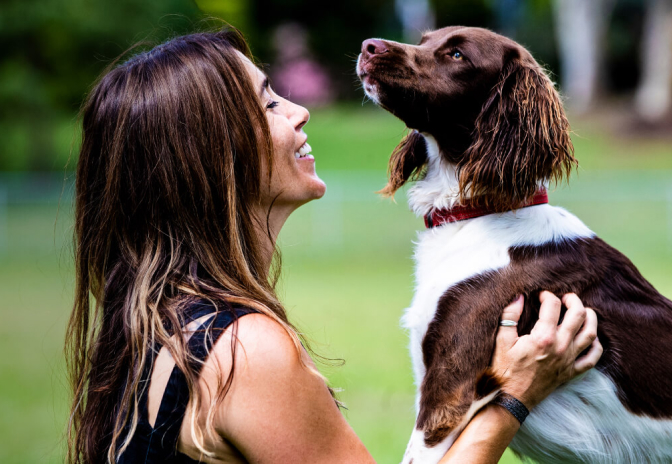
Cavalier King Charles Spaniels are small dogs, typically weighing between 13 to 18 pounds and standing about 12 to 13 inches tall at the shoulder. They have a silky, medium-length coat that is soft to the touch. Their expressive eyes, long ears, and sweet facial expression contribute to their charming appearance. The breed is well-proportioned, with a graceful stance and a cheerful demeanor.
The average lifespan of a Cavalier King Charles Spaniel ranges from 12 to 15 years. With proper care, including regular veterinary check-ups and a balanced diet, many Cavaliers can enjoy a long and healthy life.
Cavalier King Charles Spaniels come in several color combinations, including Blenheim (chestnut and white), tricolor (black, white, and tan), ruby (solid red), and black and tan. Each color variation adds to the breed's appeal, with Blenheim being particularly popular among enthusiasts.
Cavalier King Charles Spaniels are moderate shedders. Their medium-length coat requires regular grooming to prevent mats and tangles. Brushing them a few times a week helps manage shedding and keeps their coat looking healthy and shiny.
Cavalier King Charles Spaniels are generally healthy dogs, but they can be prone to specific health issues, including heart problems, hip dysplasia, and ear infections. Regular veterinary visits and a proper diet are essential for maintaining their health and well-being.
A balanced diet is crucial for the health of a Cavalier King Charles Spaniel. High-quality dog food that meets their nutritional needs should be provided, taking into account their size and activity level. Portion control is important to prevent obesity, which can lead to various health issues.
The breed's history dates back to the 16th century, where they were bred as companion dogs for royalty and nobility. The Cavalier King Charles Spaniel was named after King Charles II of England, who was known for his fondness for the breed. Over the years, they have transitioned from royal companions to beloved family pets worldwide, including in Australia.
- Cavaliers are known for their affectionate nature and often seek out human companionship.
- They are highly trainable and excel in obedience training and dog sports.
- Cavalier King Charles Spaniel puppies are particularly playful and require early socialization to ensure they grow into well-adjusted adults.


 RightPaw