Sphynx Cat
Medium
Hairless
Medium
3.5 to 7kg
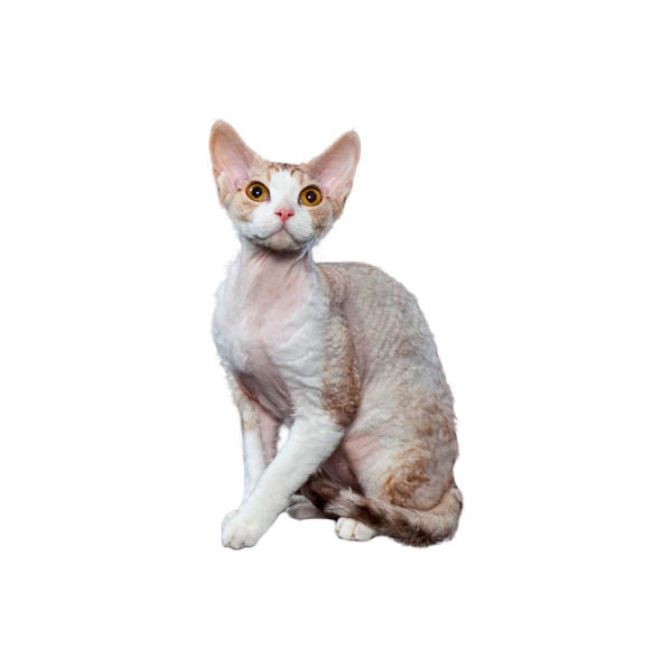
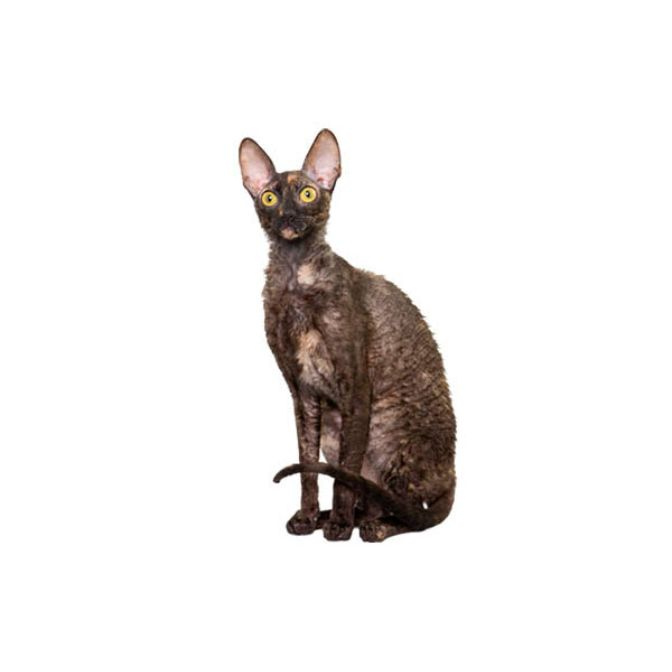
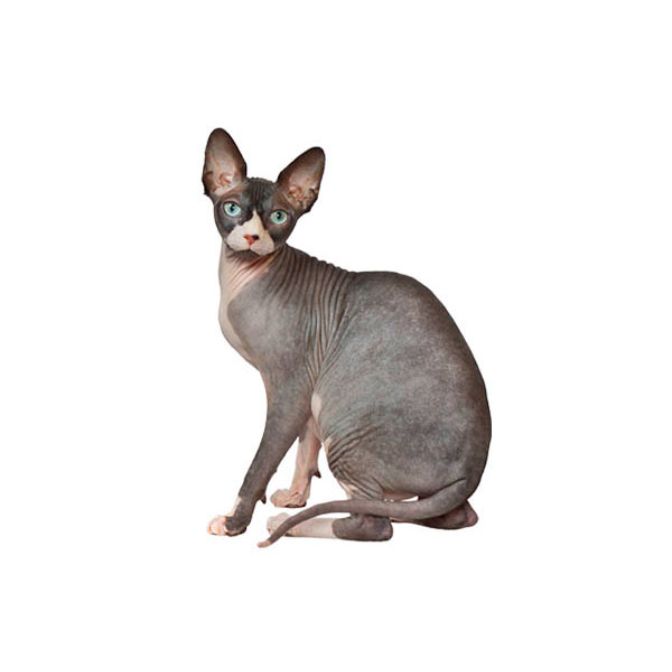
Sphynx cats come in all colours and coat patterns, which can be seen in the very fine fur on their faces, and the pigmented skin over the body.
Sphynx cats are known for their friendly and social temperament. They are highly affectionate and enjoy being around people, often seeking out attention and companionship. Sphynx cats are playful and energetic, making them great companions for families and individuals alike. Their outgoing nature allows them to get along well with children and other pets, making them a versatile addition to any household.
The Sphynx cat is characterized by its hairless body, which is a result of a genetic mutation. They have a medium-sized, muscular build, large ears, and prominent cheekbones. Despite their lack of fur, Sphynx cats have a warm and soft skin texture. Their unique appearance is complemented by large, expressive eyes that can come in a variety of colors, including blue, green, and amber.
The average lifespan of a Sphynx cat ranges from 12 to 15 years, although many can live longer with proper care. Regular veterinary check-ups, a balanced diet, and a loving environment are crucial for their overall health and longevity.
Sphynx cats come in a variety of colors and patterns, including solid, tabby, and bicolor. While they are primarily known for their lack of fur, their skin can display a range of colors and patterns, adding to their visual appeal.
One of the advantages of owning a Sphynx cat is that they are low shedders. However, they do require regular bathing to remove oils and dirt from their skin, as they do not have fur to absorb these substances. Regular cleaning helps maintain their skin health and reduces any odor.
Sphynx cats are generally healthy, but they can be prone to certain genetic conditions, such as hypertrophic cardiomyopathy (HCM) and skin issues due to their lack of fur. Regular health screenings and vaccinations are essential to monitor their health. Responsible breeding practices help minimize potential health issues, ensuring the well-being of the breed.
A high-quality diet is crucial for the well-being of a Sphynx cat. Owners should provide a balanced diet rich in proteins and nutrients to support their active lifestyle. Consulting with a veterinarian for dietary recommendations is advisable to ensure that their nutritional needs are met.
The Sphynx cat breed was first recognized in the late 1960s when a hairless kitten was born in a litter in Canada. Breeders began to develop the breed by crossing the hairless kittens with other breeds, including the Devon Rex and American Shorthair. The breed quickly gained popularity and has become a beloved companion in homes across Australia.
Sphynx cats are known for their playful and affectionate nature. They thrive on interaction with their owners and are often described as "people-oriented." Their unique appearance and friendly demeanor make them a favorite among cat lovers, and they adapt well to various living environments, from apartments to larger homes.