Oriental
Small To Medium
Short
High
4 to 8kg.
Blue, chestnut, cinnamon, cream, ebony, fawn, lavender, red and white, plus various patterns and shadings
Oriental cats are known for their friendly and outgoing temperament. They are highly social animals that thrive on interaction with their human companions and other pets. These cats are playful, intelligent, and curious, making them great companions for families and individuals alike. Their affectionate nature means they often seek out attention and enjoy being involved in family activities.
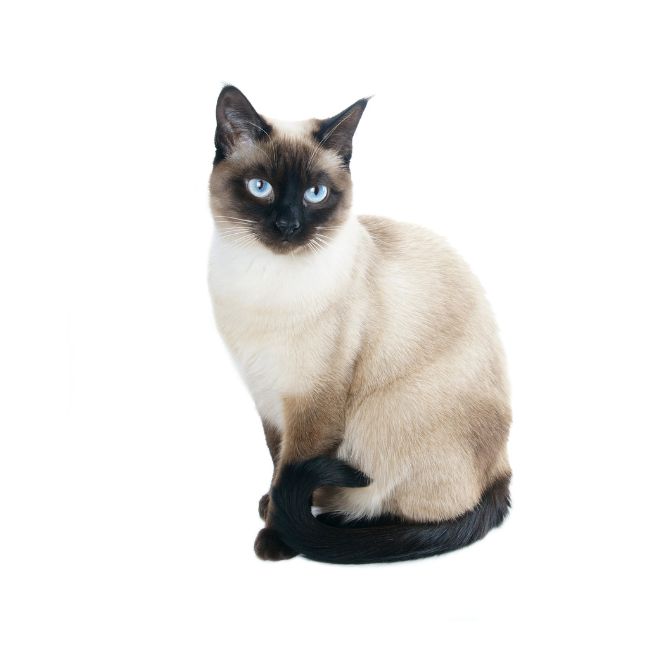
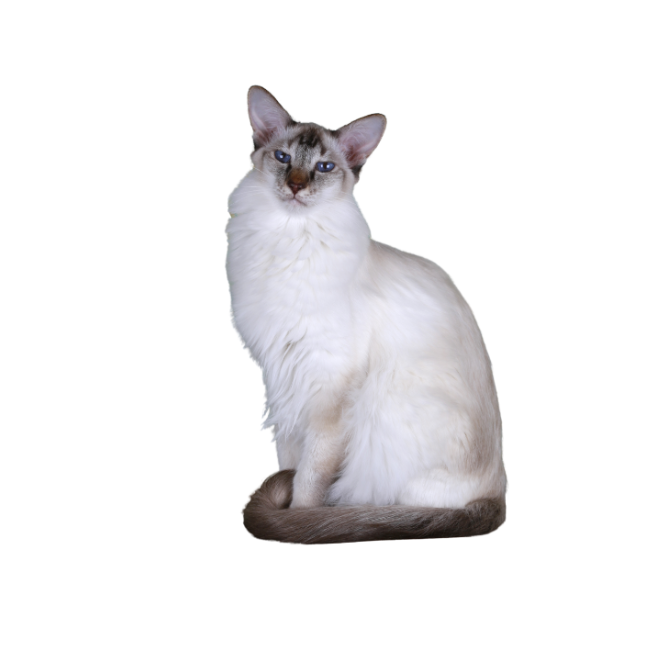
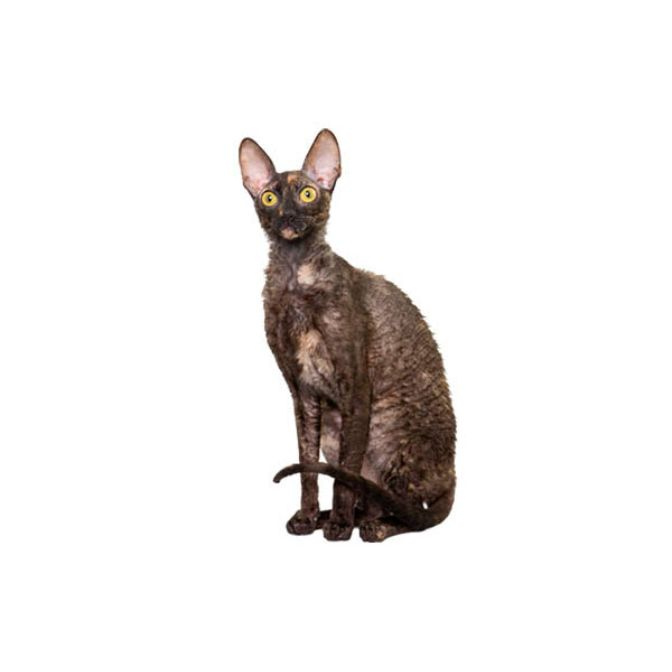
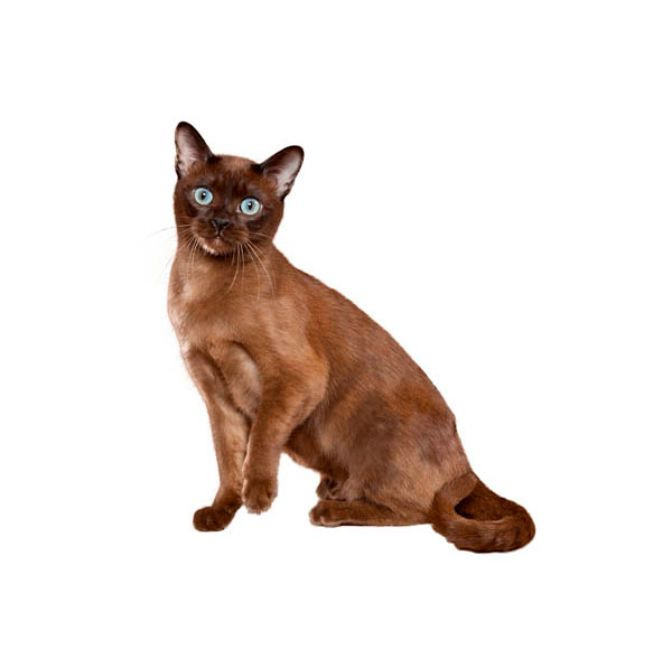
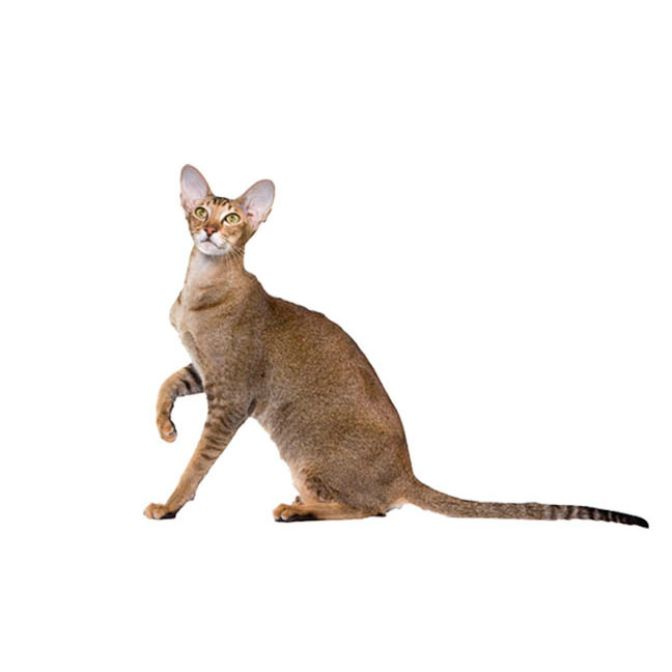
The Oriental cat is characterized by its slender, athletic build and long legs. They have a wedge-shaped head, large ears, and striking almond-shaped eyes that can come in various colors, including green and blue. The breed's coat is short and fine, which contributes to its sleek appearance. Oriental cats are known for their vocal nature, often communicating with their owners through a variety of sounds.
The average lifespan of an Oriental cat ranges from 12 to 15 years, although many can live longer with proper care. Regular veterinary check-ups, a balanced diet, and a loving environment are crucial for their overall health and longevity.
Oriental cats come in a stunning variety of colors and patterns, including solid, tabby, bicolor, and even pointed patterns similar to those of Siamese cats. This diversity allows potential owners to choose a cat that fits their aesthetic preferences, making them a popular choice among cat lovers in Australia.
Oriental cats are considered low shedders due to their short coats. Regular grooming is recommended to keep their coat healthy and to manage any loose hair. A simple weekly brushing can help maintain their coat's condition and reduce the amount of hair around the home.
Overall, Oriental cats are generally healthy, but they can be prone to certain genetic conditions, such as respiratory issues and dental problems. Regular health check-ups and vaccinations are essential to monitor their health. Responsible breeding practices help minimize potential health issues, ensuring the well-being of the breed.
A high-quality diet is crucial for the well-being of an Oriental cat. Owners should provide a balanced diet rich in proteins and nutrients to support their active lifestyle. Consulting with a veterinarian for dietary recommendations is advisable to ensure that their nutritional needs are met.
The Oriental cat breed was developed in the 1950s in the United Kingdom, with the goal of creating a cat that resembled the Siamese but came in a wider variety of colors and patterns. The breed quickly gained popularity and has become a beloved companion in homes across Australia.
Oriental cats are known for their playful and curious nature. They enjoy interactive play and can be trained to perform tricks. Their friendly and adaptable demeanor allows them to thrive in various living environments, from apartments to larger homes.