The Tonkinese cat breed originated in the 1960s as a cross between the Siamese and Burmese breeds, aiming to combine their best traits. In Australia, Tonkinese cats are appreciated for their playful and affectionate nature, quickly gaining popularity among cat enthusiasts.
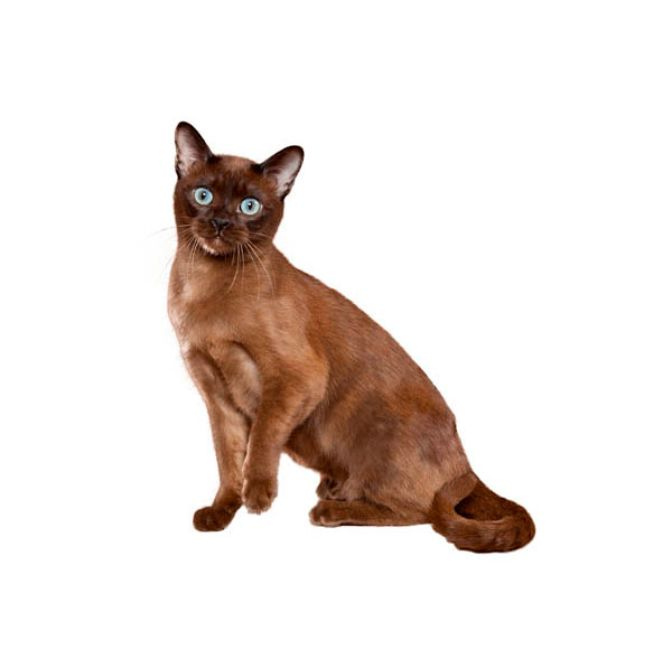
Tonkinese
Size
Medium
Weight
2.5 to 5.5 kg
Coat
Short
Energy
High
Shedding
Moderate
Colors
Champagne, Blue, Chocolate, Mink, and Lilac
Personality

Personality
Tonkinese cats are known for their friendly and social disposition. They are highly interactive and enjoy engaging with their human companions. These cats thrive on attention and are often described as being dog-like in their loyalty, making them excellent family pets.
History and Origins
History and Origins
The Tonkinese breed's history is relatively brief but significant, stemming from the desire to create a cat that possesses the best traits of both the Siamese and Burmese breeds. Their development reflects a dedication to enhancing temperament and appearance.
Nutrition and Feeding
Nutrition and Feeding
A high-quality diet tailored to their age, size, and activity level is crucial for Tonkinese cats. Owners should consult their veterinarian for recommendations on the best food options to ensure proper nutrition and health.
Other Information
Other Information
Tonkinese cats are known for their vocalizations and often communicate with their owners through a variety of sounds. They are highly intelligent and can be trained to perform tricks or follow commands. This breed is social and does best in homes where they have companionship, whether from humans or other pets.
Health: Generally, Tonkinese cats are healthy, but they can be predisposed to certain genetic conditions, such as dental issues and heart disease. Regular veterinary visits and a healthy lifestyle are essential for maintaining their well-being.
Characteristics: This breed is medium-sized, with a well-muscled body and a short, sleek coat. Tonkinese cats have striking almond-shaped eyes that can be blue, green, or gold, adding to their allure. Their playful nature is complemented by a curious personality, making them active and lively companions.
Lifespan: The average lifespan of a Tonkinese cat ranges from 12 to 16 years. With proper care, including a balanced diet and regular veterinary check-ups, these cats can lead long and healthy lives.