Playing games with your cat—whether a curious kitten or a seasoned adult—is a delightful way to bond and provide essential mental and physical stimulation. Engaging in regular play helps keep your feline companion happy, healthy, and emotionally fulfilled. Here are some fun and enriching activities to enjoy together:
Kitten Care
Health
Cat Years to Human Years
As cat owners, we often wonder how our feline friends age in comparison to us. The concept of "cat years" has been used to estimate a cat's age in relation to human years. However, the calculation is not as simple as multiplying by a fixed number. In this article, we will explore the fascinating topic of cat years to human years and shed light on the factors that influence this conversion.
Kitten Care
Health
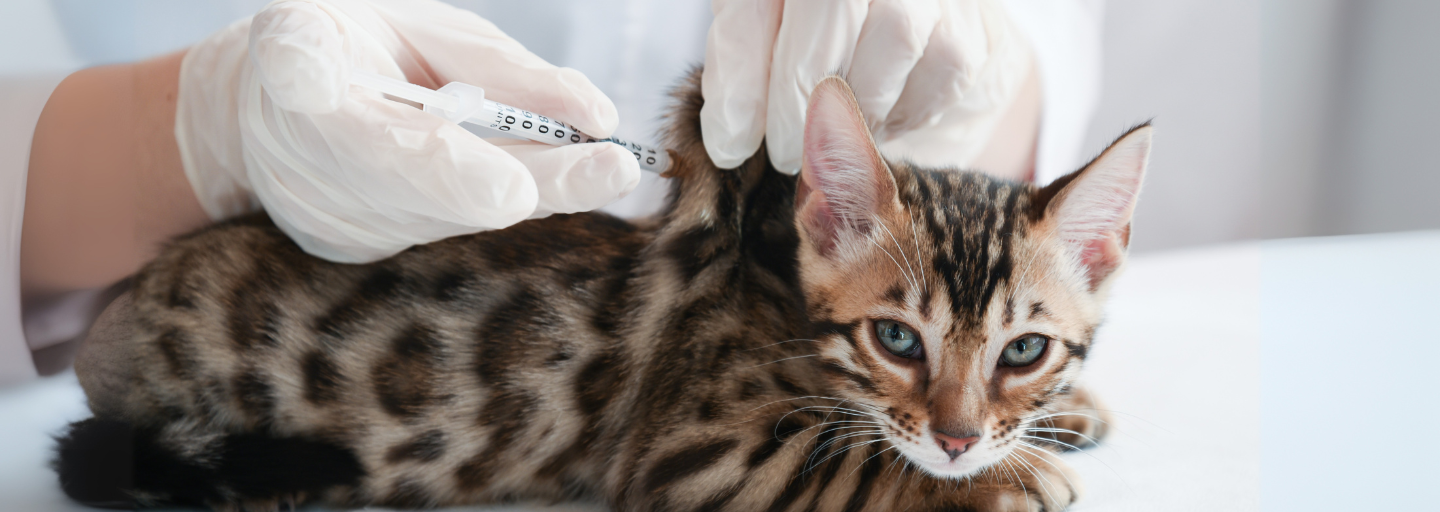
Kitten Vaccinations Process
As a responsible cat owner, keeping your kitten up to date with vaccinations is crucial for their health. Vaccinations protect against various diseases and are often required for boarding at catteries or when traveling abroad.
Congratulations on your kitten! This exciting time marks the beginning of a beautiful journey filled with love and companionship. To ensure a smooth transition and foster a positive relationship between your new feline friend and the rest of the family, it's important to follow effective introduction techniques that minimize any potential sibling rivalry. Here's a comprehensive guide to introducing your kitten to the family, covering interactions with humans, other cats, and even canine companions.
Kitten Socialisation: Teach Your Cat Basic Life Skills
2 mins read
Welcoming a new kitten into your home is an exciting experience, but it can be an overwhelming time for them. Socialisation is the process that helps kittens learn to navigate their new world, making it essential for their development into confident adult cats. Here’s a guide on how to effectively socialise your kitten.
Kittens are undeniably adorable, and one of the most exciting moments for cat owners is when their eyes open for the first time. The sight of those tiny eyes peering out can melt anyone's heart. But when exactly do kittens open their eyes?
It’s important to remember that your kitten will be naturally inquisitive and will set about exploring every corner of his or her new home. Learning how to cope with potential dangers is indeed part of ‘growing-up’, but that doesn't mean you shouldn't protect them from silly mistakes. A household is full of dangers to a curious mind, so it will help to go through your home and look at everything from your kitten’s perspective.
Bringing a new kitten into your home is an exciting and joyful experience for the entire family. As your kitten adapts to their new surroundings, you will have the opportunity to observe their unique personality traits. It's important to remember that during the first few days, it is completely normal for your kitten to display nervous behavior and seek hiding spots. This adjustment period can be stressful for them as they are leaving their littermates for the first time and entering an unfamiliar environment.
Understanding Cat Behavior: What Your Feline Friend Expresses
2 mins read
Living with cats is a fascinating journey, filled with moments that leave us both amazed and puzzled. From their quirky habits like peeing on our stuff to the way they swish their tails, cats have a unique way of keeping us on our toes. But fear not! Here's the scoop on why they do what they do, giving you a better insight into your furry friend's world.
Cats have strange hobbies. Some like to run around and around in circles, while others like to rearrange your shoes. And they love boxes. If you've wondered why cats have these quirky behaviors, wonder no more! We've asked our experts to unlock the secrets behind these unusual behaviors and give you insight into the world of your cat. The answers will surprise you.
As puzzling as it may be, some cats simply enjoy digging and playing in their litter boxes. Most of the time, this is normal behaviour for cats. However, there are instances when scratching in the litter box becomes excessive and may indicate an underlying issue. If you find yourself in this situation, before reaching for the earplugs, it's important to consider that something might be frustrating your cat. Here are a few questions to ask yourself:
Kittens have sensitive stomachs, and even small changes in their environment or diet can lead to diarrhoea. While it’s normal for their waste to be softer than that of adult cats, shapeless or liquid stools indicate diarrhoea, which is common but treatable.
Ensuring the happiness and well-being of your kitten starts with prioritizing their health. As a responsible pet owner, conducting regular at-home checks is the first line of defense in maintaining their overall health. Cats, being masters of disguise, can often conceal discomfort, making it crucial for you to be proactive in monitoring their well-being. This guide serves as a comprehensive checklist, equipping you with the necessary tools to unlock your kitten's health story and confidently address any uncertainties that may arise. However, it's important to remember that your veterinarian is the ultimate expert in solving any health puzzles that may arise.
How to Keep Your Cat's Teeth Healthy: Signs, Prevention and Dental Care Tips
3 mins read
Dental disease in cats is one of the most common conditions seen by vets today. It can also be very painful, especially if left untreated. However, the good news is that – unlike many health problems – it is usually preventable through proper dental care for cats.
In addition to observing your cat's daily appetite and behaviors, it is crucial to assess their current body condition to ensure they are receiving the proper nutrition for overall well-being. By examining physical signs from teeth to tail, you can gauge whether your cat is getting the nutrients they need for optimal whole body health.
While it is not a necessity to feed your cat a combination of wet and dry foods, there are many benefits to feeding both. Dry food provides the added benefit of dental health – helping to reduce the build-up of plaque and tartar as your cat crunches. Wet food works as an additional moisture source for your cat – particularly if they are not big drinkers. Aside from the obvious health benefits, unlike humans, who have 10,000 taste buds, our cat friends only have 470 on average, which means the texture of the food helps to play a pivotal role in a cat’s enjoyment. Combining wet food and kibble enhances the texture and variety for your cat. In addition, feeding your cat two different sources of food makes it easier for you to keep an eye on your cat’s eating habits and make any changes that might be required.
The countdown to your little kitten’s birthday has begun! And while the term ‘adult’ might not be a completely accurate term to describe your mischievous little mate’s level of maturity, the fact is your best friend isn't so ‘little’ anymore! Yes, she has grown up and is about to dive into adulthood. And while that cheekiness is unlikely to change in a hurry, notching up your first birthday does make for some significant milestones that are worth celebrating!
Selecting the best food for your cat is a crucial aspect of their overall health and well-being. With so many options available, it can be challenging to determine which one is right for your feline friend. To make an informed decision, consider the following factors:
Indoor cats are usually less active and more prone to weight problems. Consider feeding your indoor cat food specifically tailored to her lifestyle. If you want to know the best cat food for indoor cats, there are a few dietary requirements you should look for when considering the different cat food diets.
How to Feed a Senior Cat: Nutrition Tips for Healthy Ageing
4 mins read
As your cat becomes a senior, it is essential to reevaluate their feeding routine to ensure they receive the nutrition necessary to support their changing needs. Older cats have unique dietary requirements that require special attention, including higher levels of protein to help maintain their health and strength.
It’s easy to look after an older cat and keep them happy and healthy once you know how. A cat is considered senior from around eight years of age. Just like humans, a cat will change over time. They may spend more time sleeping and less time playing. Their appetite may diminish, and their metabolism will slow down. Understanding these changes and making appropriate adjustments will ensure your senior cat's well-being.
You might have noticed that your cat is napping more, can’t jump as high as they used to or isn’t chasing a piece of string with as much energy as they did before.
These are all normal as a cat approaches their senior years – like us, they’ll want to slow down a little as they get older! Cats are usually classed to be of a senior age from around seven years old, but this can vary slightly depending on your cats breed and other factors.
Diet, fitness and any medical issues all contribute towards the expected lifespan of a senior cat. Even though they may seem a little calmer than when they were a young moggy, the later years that you share with your cat should still be as fun, loving and rewarding as ever.
Our team of Pet
Care Experts offer guidance and tips on how to make the most of your cats twilight years, for the both of you.
Your cat is getting older, so it's time to make some important changes. Cats can spend over 40% of their lives as seniors or geriatrics. There's plenty of fun and love still to come, but you'll need to take a few essential steps to ensure your cat stays in peak health and ideal body condition.