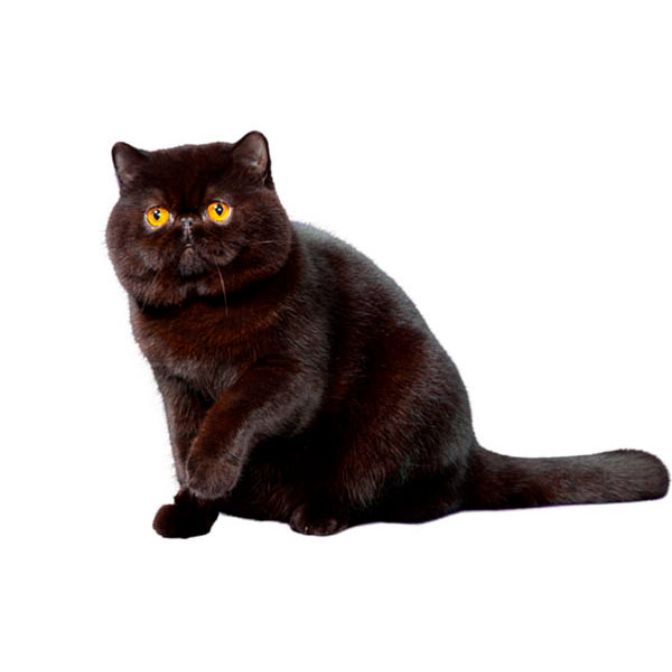
Exotic Shorthair
Medium To Large
Short
Medium
Male: 3.2 to 6.3 kg, Female: 2.7 to 4.5 kg
White, black, blue, red, cream, chocolate, lilac, silver, plus various patterns and shadings
The Exotic Shorthair cat is renowned for its calm and gentle temperament. They are affectionate and enjoy being around their human companions, making them excellent family pets. This breed is typically sociable and gets along well with children and other pets. They are playful but not overly energetic, preferring to engage in a relaxed play style that suits their laid-back nature.
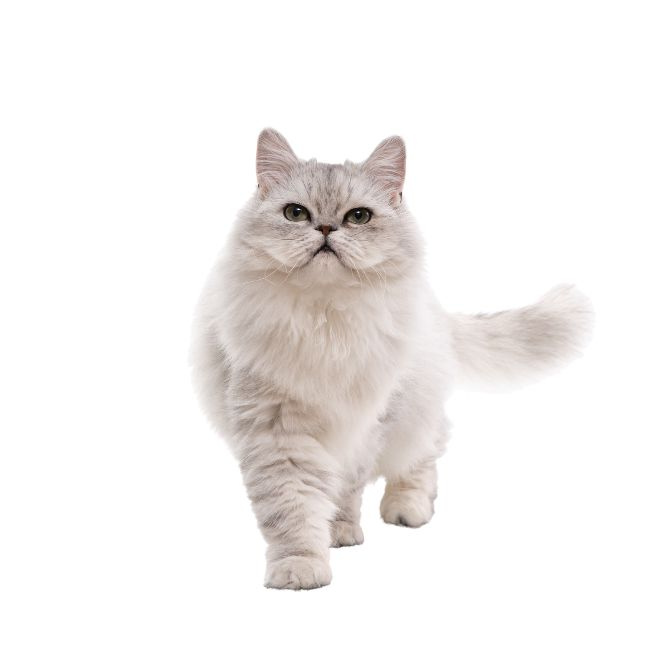
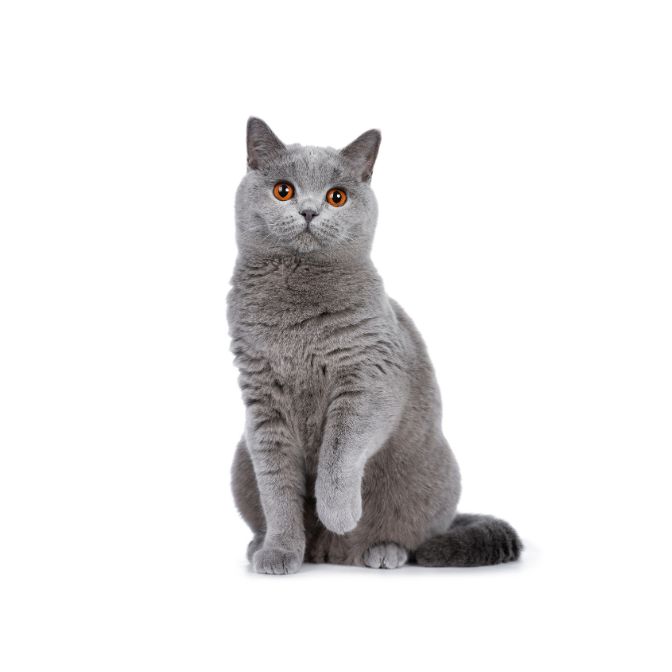
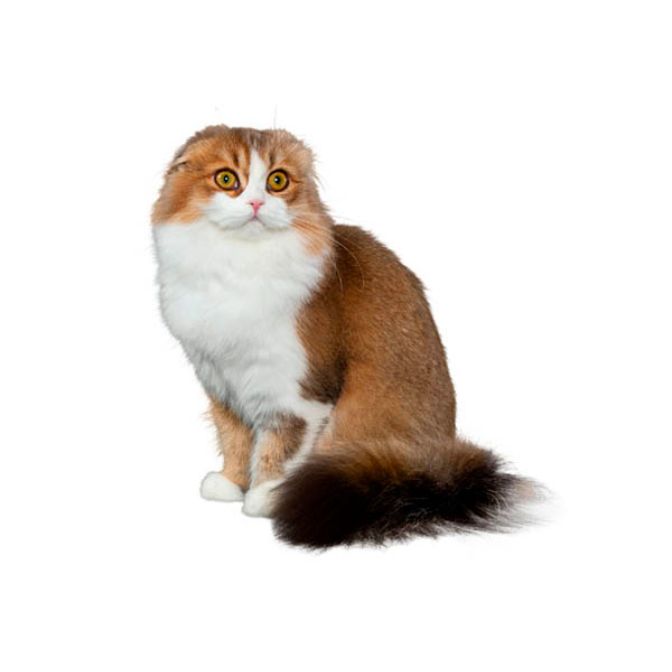
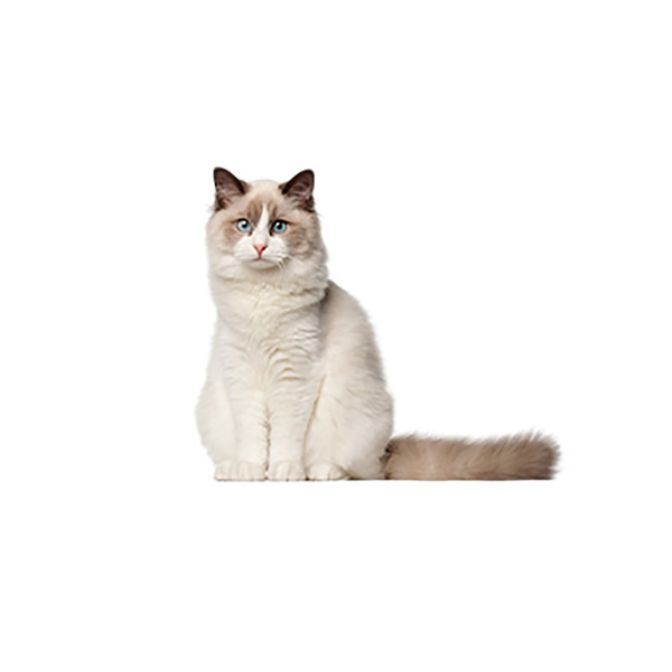
Exotic Shorthairs are characterized by their round faces, large eyes, and stocky bodies. Their short, dense coat comes in various colors and patterns, including tabby, solid, and bicolor. The breed's rounded features give them a distinctive and endearing appearance, making them a favorite among cat enthusiasts.
The average lifespan of an Exotic Shorthair cat ranges from 12 to 15 years, although many can live longer with proper care. Regular veterinary check-ups, a balanced diet, and a loving environment contribute to their overall health and longevity.
Exotic Shorthairs come in a wide array of colors and patterns. Common colors include solid shades like black, white, and blue, as well as various tabby patterns and bicolor combinations. This diversity allows potential owners to choose a cat that fits their aesthetic preferences.
While Exotic Shorthairs have a short coat, they do shed moderately. Regular brushing helps manage shedding and keeps their coat healthy and free of mats. Due to their dense fur, they may require a bit more grooming during seasonal changes.
Generally, Exotic Shorthairs are healthy, but they can be prone to certain genetic conditions, such as respiratory issues due to their brachycephalic (flat-faced) structure. Regular veterinary care, including vaccinations and health screenings, is essential to monitor and maintain their health.
A high-quality diet is crucial for the well-being of an Exotic Shorthair. Owners should provide a balanced diet rich in proteins and nutrients to support their active lifestyle. Consulting with a veterinarian for specific dietary recommendations is advisable.
The Exotic Shorthair breed was developed in the United States during the 1950s and 1960s as breeders sought to create a short-haired version of the Persian cat. The breed gained recognition in the 1980s and has since become a beloved companion in homes across Australia.
Exotic Shorthairs are known for their affectionate nature and adaptability. They thrive in various living environments, from apartments to larger homes. Their playful yet calm demeanor makes them suitable for families and individuals alike. Additionally, they are often described as "lap cats," enjoying the warmth and company of their owners.